 EN
EN

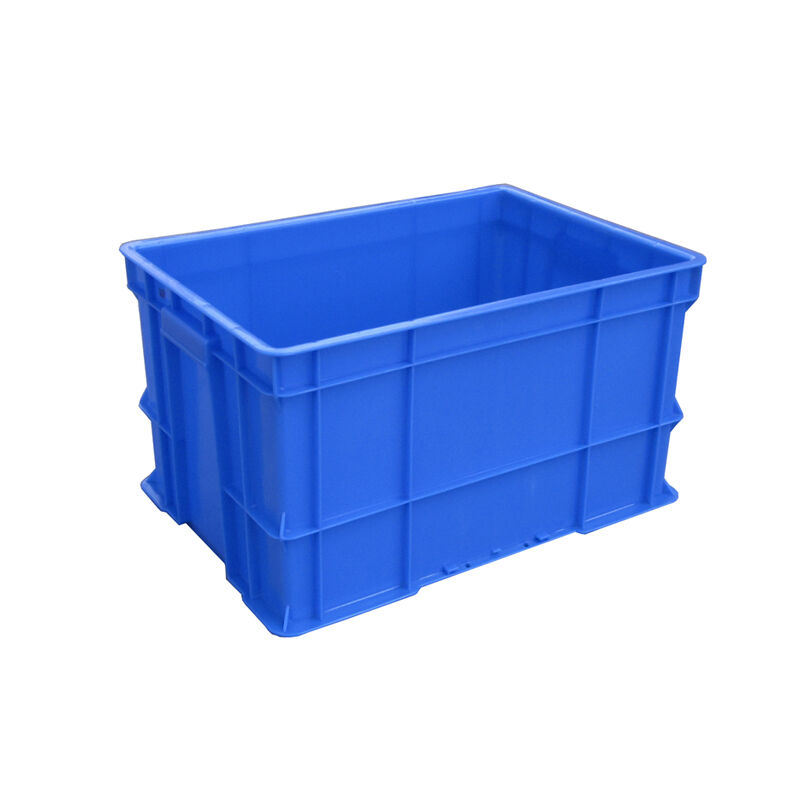
Wooden Crates: Strength, Compliance, and Heavy-Duty Applications
Structural advantages for oversized and high-weight cargo
In heavy industrial shipping, wooden crates are still king because they can hold up under serious weight and stay rigid when things get rough. The engineered wood used in these crates can take hits over 20,000 pounds without bending out of shape, which is why factories rely on them for transporting expensive stuff like turbines and airplane parts where even minor movement during transport could spell disaster. What makes wooden crates really stand out is their open frame design that lets workers easily add custom supports inside. This matters a lot when shipping odd-shaped equipment such as those massive industrial printing presses. Another practical benefit? Those crates have access points on every side so forklifts can grab them from any angle, making warehouse operations much smoother. Plus, the small gaps built into the wood allow air to circulate, keeping metal components dry and preventing rust problems. According to some folks who track freight safety data, companies using wooden crates see about 37 percent fewer insurance claims than those relying on other packaging methods.
ISPM 15 compliance essentials for international crate shipping
Wooden crates shipped across international borders need to follow ISPM 15 standards set by the International Plant Protection Convention. Basically, this means either heating the wood to at least 56 degrees Celsius for half an hour or using approved fumigation methods to get rid of those pesky wood boring insects. If companies don't meet these requirements, their cargo gets rejected outright or even destroyed at customs checkpoints. Looking at recent customs reports, around 12 percent of all untreated wooden packaging ends up being held back or tossed because it doesn't pass inspection. The paperwork has to show the official IPPC stamp somewhere visible, including details like what kind of treatment was used, where it came from, and who made it. For crates that get reused multiple times, remember they'll need new certification once any repairs affect how sturdy they are. Want to prevent getting stuck waiting weeks at customs? Work with suppliers who test batches of materials ahead of time and can provide digital proof of compliance when needed.
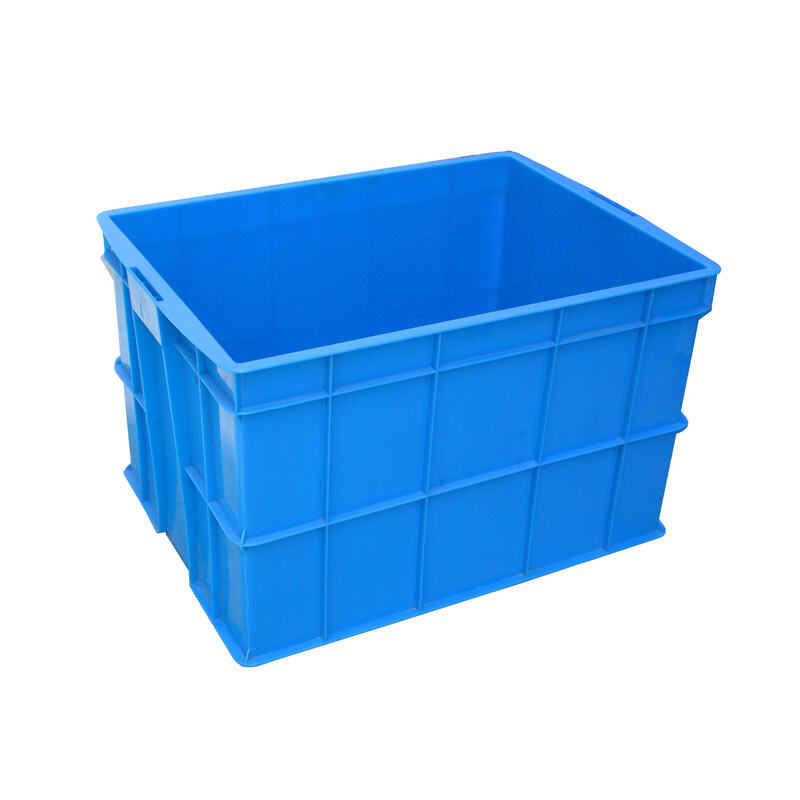
Plastic and Composite Crates: Reusability and Hygiene-Critical Use Cases
HDPE and polypropylene crates in food-grade and pharma cold-chain logistics
HDPE and polypropylene crates are specifically designed for cold chain operations where any risk of contamination simply won't do. These materials have surfaces that don't absorb bacteria and can handle constant scrubbing with strong cleaning agents, which means they pass those tough FDA and EU food safety tests without breaking a sweat. Traditional options made from wood or other porous materials just can't stand up to this kind of treatment. HDPE crates stay solid even when moved between freezing storage (-30°C) and warm processing areas (up to 60°C), and they don't trap moisture that could lead to dangerous pathogens growing on them. The smooth, no-seams design works great with automated washing equipment found in modern facilities, cutting down on cross-contamination risks by around three quarters according to recent audits. Being lighter than alternatives helps reduce fuel costs during long pharmaceutical deliveries, and their stackable design makes returning empty crates back to suppliers much more efficient. Whether shipping vaccines that need strict temperature control or transporting fresh fruits and vegetables, these crates last well over 200 trips before needing replacement and can be recycled at the end of their life cycle, all while keeping contents protected throughout the journey.
Metal Crates: Precision Protection for High-Value and Sensitive Equipment
Aluminum vs. steel crates — weight, corrosion resistance, and vibration control
Metal crates offer exceptional protection against vibrations for valuable equipment that needs stability during transport. Think medical imaging gear, parts for satellites, and tools used in semiconductor production. Aluminum crates weigh around 40 to 60 percent less than their steel counterparts according to recent industry tests, which makes them much easier to handle manually and cuts down costs for shipping by air. Stainless steel crates have their own advantages though. They resist corrosion better in damp or salty environments and come with built-in EMI shielding that's important for electronic devices and diagnostic instruments. Steel also dampens shocks naturally, absorbing about 30% more impact than aluminum while moving. This matters because prolonged vibrations can throw off calibrations on things like microscopes, MRI scanners, and various optical sensors. So if weight is a concern and the shipment is going by plane, go with aluminum. But choose steel when dealing with situations where controlling vibrations, protecting against electromagnetic interference, or ensuring longevity in tough conditions becomes absolutely necessary.
How to Select the Optimal Crate Type: A Practical Decision Framework
Picking the correct crate really comes down to three main things that all connect together somehow: what needs to be shipped, where it's going, and how it will actually get there. Start by looking at how heavy something is, how big it takes up space, and whether it breaks easily. Wood crates work best when moving stuff heavier than 2 tons according to some research from Forest Products Journal last year. Plastic containers are better for delicate goods that don't go over 500 kilograms though. Next up, think about rules and conditions along the way. For plants or farm products crossing borders, certified wood meeting ISPM 15 standards is still required. But cleanable plastic boxes have become standard practice in places like drug transport chains and food storage systems needing sterility. Finally, consider long term costs versus day to day convenience. Reusable plastic containers cut down carbon emissions by around 73 percent after five years compared to ones used just once. However, steel crates tend to make more financial sense for expensive equipment that stays in service for many years. Using these guidelines helps avoid spending too much money upfront, keeps everything legal, and matches materials to actual needs while also thinking about green goals.