EN
EN

The wrong stackable crate choice that cost a warehouse precious space
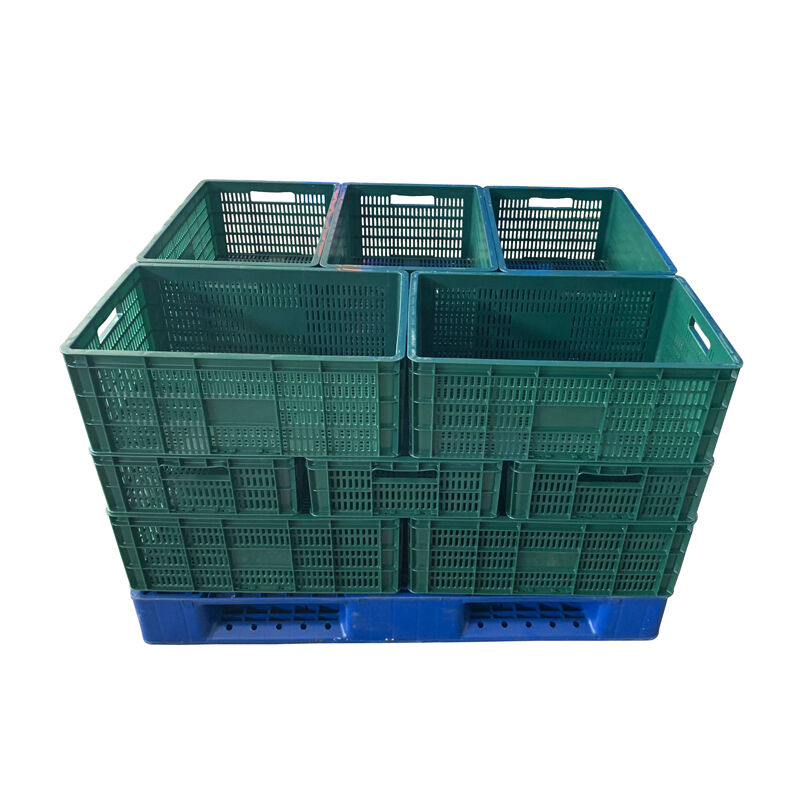
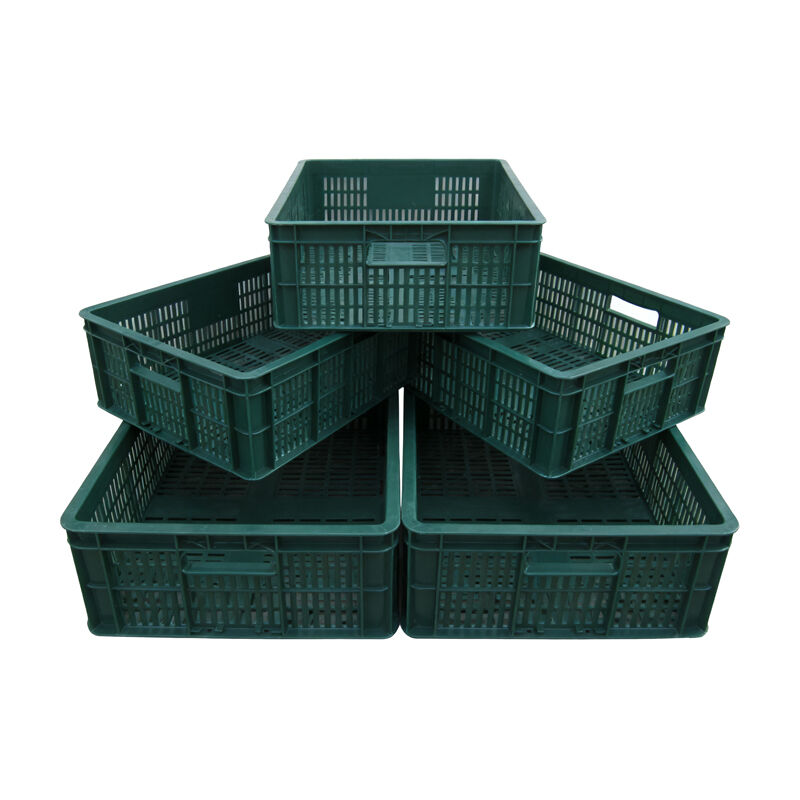
A local automotive parts warehouse came to us last year with a frustrating problem they’d bought generic stackable crate units that looked good on paper but failed miserably in daily use. The stackable crate they chose had weak interlocking parts that slipped when stacked high leading to collapsed stacks and damaged parts and the non standard dimensions meant they wasted 30 percent of their shelf space. We evaluated their storage needs product weights and warehouse layout then supplied them with our custom engineered stackable crate line with reinforced locking systems and standardized sizes matching their plastic pallets. In just two weeks their stackable crate units stacked safely three levels higher their shelf space utilization jumped by 40 percent and product damage from collapsed crates stopped entirely. This experience taught me that choosing a stackable crate isn’t just about picking a container that stacks it’s about finding one built for your specific operational needs. Every stackable crate we design is made with real warehouse workflows in mind making it a reliable fit for any business’s storage and logistics demands.
Evaluate load capacity for your stackable crate needs
The first and most critical step to choosing the best stackable crate is matching its load capacity to the weight of your products and our engineering expertise lets us craft stackable crate units for every load requirement. Our basic stackable crate is built with high impact HDPE and features single reinforced ribs supporting up to 150kg of static weight perfect for light to medium items like small electronic parts and retail goods. For heavier industrial products our heavy duty stackable crate has double reinforced ribs and a thickened base that can hold up to 500kg of static weight ideal for automotive components and manufacturing tools. We also design our stackable crate with a dynamic load capacity that accounts for movement during transportation a key factor many businesses overlook generic stackable crate units only list static load and fail during shipping. All our stackable crate products are tested to ISO9001 standards for load bearing ensuring they perform as promised in both storage and transit. Understanding your static and dynamic load needs is the foundation of picking a stackable crate that won’t fail when you need it most.
Check stacking stability features in a stackable crate
Stacking stability is what makes a stackable crate truly functional and our stackable crate units have unique design features that eliminate the slipping and collapsing common with cheap alternatives. Every our stackable crate has interlocking bottom clips and raised edge locks that fit perfectly into the base of another stackable crate creating a secure connection that won’t shift even during forklift movement. We also add anti slip padding on the bottom of our stackable crate units that grips shelves and pallets preventing lateral movement in storage. Unlike generic stackable crate that uses flimsy plastic latches our locking systems are made with the same durable HDPE as the rest of the crate meaning they won’t break or wear out with repeated use. The International Material Handling Federation states that stable stacking features are the most important design element of a stackable crate as unstable units cause 40 percent of warehouse product damage from collapsed stacks. Our stackable crate is engineered to meet and exceed these expert guidelines ensuring maximum stability at every stacking height.
Match stackable crate dimensions to your storage system
A stackable crate only works well if it fits your existing storage and logistics system and our stackable crate line is designed with standardized and customizable dimensions to match any warehouse setup. Our standard stackable crate sizes are crafted to fit perfectly on European and American standard plastic pallets including the 1200x1000mm and 1200x1100mm pallets we manufacture ensuring no wasted space between crate units on pallets or shelves. For businesses with custom shelving or storage racks we offer fully customizable stackable crate dimensions adjusting height width and depth to fit your system exactly and eliminate gaps that waste valuable warehouse space. We also design our stackable crate with a uniform external size that lets them stack neatly with our other plastic storage products creating a seamless storage system across your entire warehouse. Many businesses make the mistake of choosing a stackable crate based only on internal volume ignoring external dimensions which leads to inefficient stacking and lost space. Our stackable crate design balances internal storage capacity with external fit making it the most space efficient choice for any storage system.
Consider material and additional features for your stackable crate
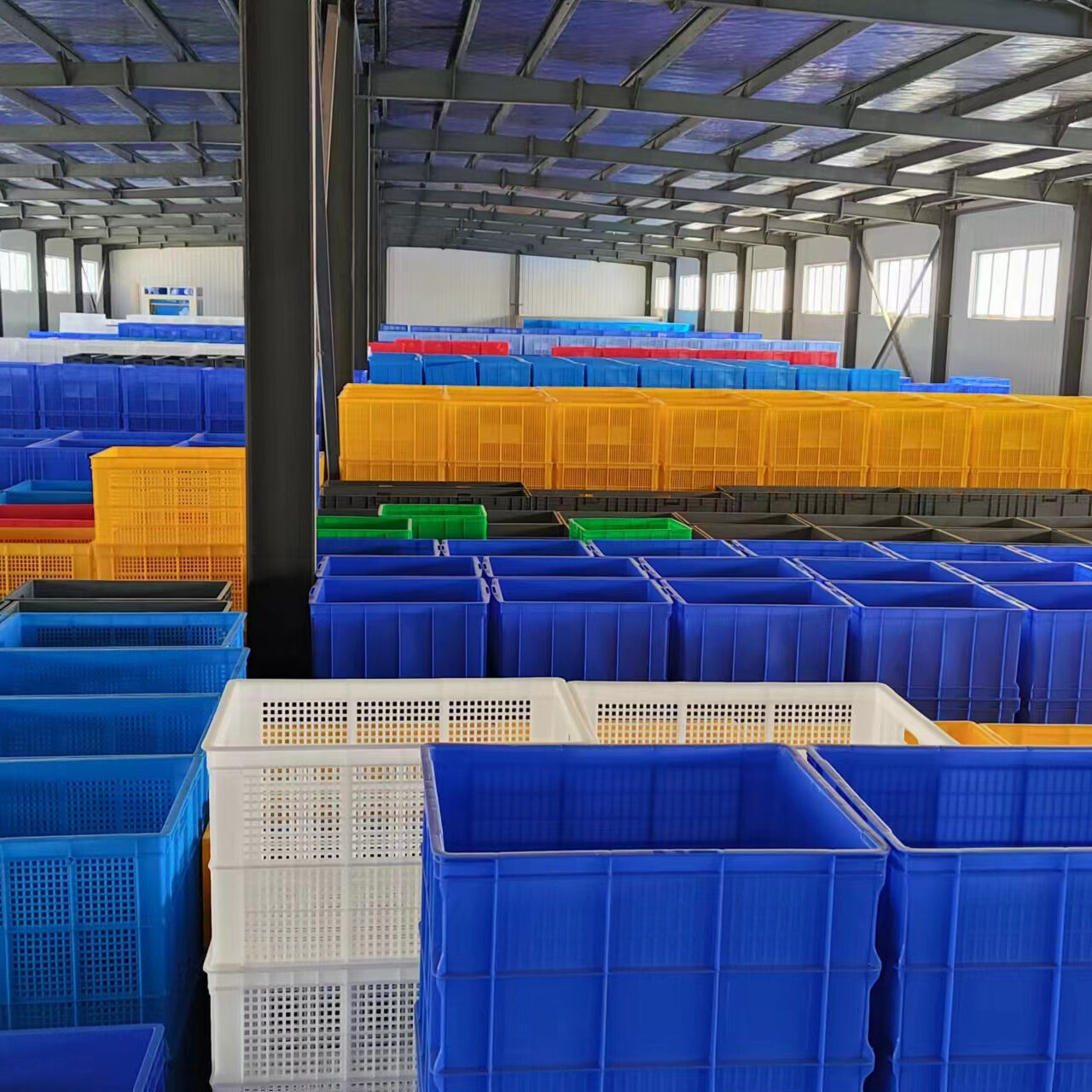
The material of your stackable crate and its additional features determine its longevity and versatility and our stackable crate units are built with premium materials and functional add ons for every industry need. All our stackable crate products are made from food grade or industrial grade HDPE and PP materials that resist moisture corrosion and impact these materials are easy to clean and sanitize making our stackable crate suitable for food beverage pharmaceutical and industrial use. We offer optional features for our stackable crate including ventilation holes for fresh produce color coding for inventory sorting and RFID chip integration for real time tracking all features that boost operational efficiency without compromising stacking ability. Our stackable crate also has ergonomic hand grips that make lifting and moving easy reducing worker fatigue and injury risk a critical feature for daily warehouse use. Unlike cheap stackable crate made from thin recycled plastic that cracks and warps our products use high quality materials and have an end to end quality control process ensuring every stackable crate is durable and reliable. We also offer stackable crate with replaceable parts meaning damaged components can be fixed instead of replacing the entire unit saving you money in the long run.