 EN
EN

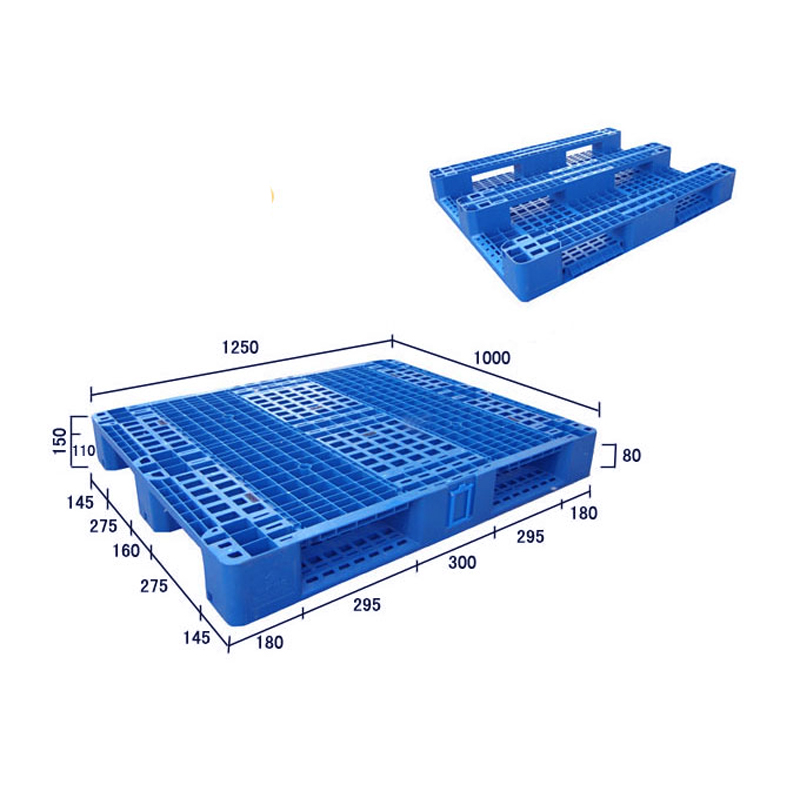
Unmatched Durability Meets Industry-Specific Toughness
If you’ve spent any time in manufacturing or logistics, you know how hard pallets work—they’re tossed around by forklifts, stacked high in warehouses, and exposed to all kinds of harsh conditions. That’s where the plastic pallet stands out, and I’ve seen this firsthand with a beer bottle production plant we partnered with last year. They used to rely on wooden pallets that warped from moisture and broke down in just a few months, leading to constant replacements and costly cargo damage. After switching to our HDPE standard European plastic pallet (1200*1000mm), their pallet replacement rate dropped by 80% in six months. Made from high-impact HDPE and PP, our plastic pallet resists corrosion, low temperatures, and chemical spills—critical for industries like food and beverage, chemical, and pharmaceutical. Unlike wood, it has no nails or splinters that can damage goods or injure workers, and its reinforced rib structure ensures it holds up to heavy loads for years. ISO 9001:2016 certification backs this durability, so manufacturers don’t have to gamble on untested equipment—every plastic pallet leaves our factory with strict quality checks, from raw material selection to pre-shipment inspection. This isn’t just a product; it’s a solution that cuts downtime and maintenance costs, and that’s why manufacturers are making the switch.
Smart Integration for Modern Manufacturing Efficiency
Manufacturing is all about automation these days, and a plastic pallet isn’t just a load carrier—it’s a key part of a smart logistics system. I worked with an automotive manufacturing client last quarter that was struggling with inventory inefficiencies in their 3D warehouse. Their old pallets couldn’t integrate with their AGV robots, and manual inventory checks took hours every day. We customized a plastic pallet embedded with RFID chips for them, and the difference was night and day. Now they track the plastic pallet’s position, load status, and even temperature/humidity data in real time—inventory counting time dropped by 70%, and they eliminated costly stock discrepancies. Our plastic pallet’s standardized dimensions fit perfectly with all shelf types and automated equipment, making it ideal for 3D warehouses, cold storage, and export packaging. For electronics manufacturers, we add anti-static and conductive features to the plastic pallet, protecting sensitive components like circuit boards from static damage—something wooden pallets can never do reliably. Experts in logistics automation, like those at the China International Hardware Fair, confirm that standardized, smart plastic pallets are the backbone of efficient modern supply chains, and our 20+ years of design experience lets us tailor this smart integration to any manufacturer’s unique workflow.
One-Stop Versatility for Diverse Manufacturing Needs
Manufacturing isn’t a one-size-fits-all industry, and a great plastic pallet should adapt to every scenario—and that’s exactly what we’ve built our product line around. We offer nearly 1,000 specifications of plastic pallet, from the standard European 1210 model for beverage plants to heavy-duty pallet boxes for chemical manufacturers and lightweight options for retail distribution. I had a medical device client last year that needed a plastic pallet that could handle both sterile storage and cold chain transport for their precision instruments. We didn’t just hand them a pre-made pallet; we customized a food-grade, low-temperature resistant plastic pallet with a non-slip surface and RFID traceability, and it’s now their go-to for all their critical shipments. As a direct source factory with 50+ large injection molding machines and an annual production capacity of 20,000 tons, we don’t just sell plastic pallets—we offer a one-stop solution. Manufacturers don’t have to coordinate with multiple suppliers for different pallet types; they can get every plastic pallet they need, from standard to custom, from a single partner. This saves time, cuts procurement costs, and ensures consistency across their entire logistics chain—something our Japanese clients highlighted when they visited our factory in 2025 to discuss joint product development for their global manufacturing facilities.
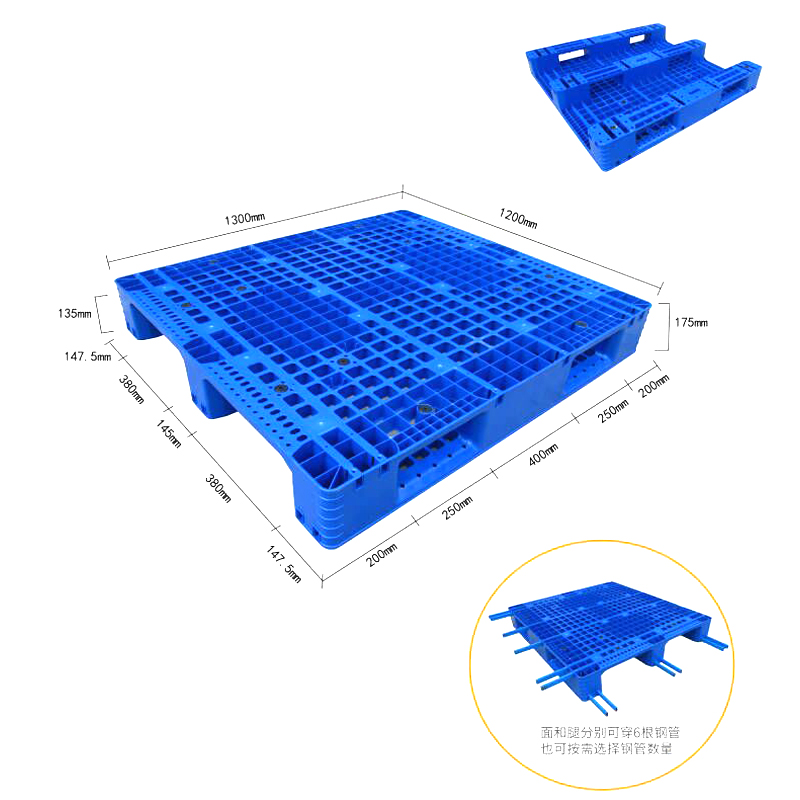
Cost-Effective Long-Term Value Beats Disposable Alternatives
A lot of manufacturers initially hesitate at the upfront cost of a plastic pallet, but once they crunch the numbers, they realize it’s the most cost-effective choice by far—and I’ve walked dozens of clients through this math. Let’s break it down: a wooden pallet costs less upfront but only lasts 1-3 years, needs frequent repairs, and requires expensive fumigation for export. Our plastic pallet, by contrast, lasts 5-7 years (even longer with proper care), needs zero maintenance, and is export-exempt—no fumigation, no delays, no extra fees. A food processing client of ours calculated that switching to our plastic pallet saved them over $15,000 a year in pallet replacement and export costs alone. And because we’re a direct factory, we cut out middlemen, so our plastic pallet prices are highly competitive—our clients get premium quality without the premium markup. Logistics industry reports, including those from top retail and hardware fairs, confirm that plastic pallets have a far lower total cost of ownership than wood, and when you factor in reduced cargo damage (our cold chain plastic pallets cut damage rates by 60% for one pharmaceutical client), the savings are even bigger. This isn’t just about buying a pallet; it’s about investing in a logistics asset that pays for itself over and over.
Eco-Friendly Design Aligns with Sustainable Manufacturing Goals
Sustainability isn’t just a buzzword in manufacturing anymore—it’s a business imperative, and the plastic pallet is a big part of the solution. Our plastic pallets are made from 100% recyclable HDPE and PP, and we even offer programs to recycle old pallets into new ones, so nothing goes to waste. I worked with a green manufacturing firm last year that was aiming for zero-waste logistics, and our recyclable plastic pallet became a cornerstone of their sustainability plan—they even earned a sustainability certification because of their switch from wood to our plastic pallet. Unlike wooden pallets, which require deforestation and often end up in landfills, our plastic pallet is a circular product: it’s reused for years, then recycled into new materials. We also use eco-friendly production processes at our factory, with energy-efficient injection molding machines and zero-waste manufacturing practices—something that impressed our Japanese engineering partners during their 2025 visit. Industry experts agree that sustainable logistics is non-negotiable for modern manufacturers, and a plastic pallet checks every box: it reduces waste, cuts carbon emissions from frequent replacements, and aligns with global eco-standards like EU REACH. For manufacturers looking to meet their sustainability goals without sacrificing efficiency, the plastic pallet isn’t just a choice—it’s a necessity.