 EN
EN

The Science of Spoilage: How Poor Ventilation Accelerates Postharvest Decay
Respiratory Heat and Ethylene Buildup in Sealed Fruit and Vegetable Boxes
Fresh fruits and vegetables kept in sealed containers keep breathing after harvest, which creates both heat and ethylene gas inside. Temperatures often climb 3 to 7 degrees Celsius above what's outside within just a few hours, and ethylene levels jump anywhere from 10 to 100 parts per million. Research published in journals like Postharvest Biology and Technology shows that this causes ripening to speed up about 40 to 60 percent faster for certain fruits such as tomatoes and avocados. The extra heat drains the cells' energy stores, leading to quicker softening and reduced nutritional value over time. This is why proper ventilation remains so important during storage and transport operations across the food supply chain.
Humidity-Ethylene Feedback Loop Driving Mold, Rot, and Softening
When airflow gets restricted, it starts what scientists call a self-reinforcing decay cycle. Basically, plants release water through their leaves (transpiration) which fills the enclosed space with moisture, often reaching very high humidity levels around 90 to maybe even 100%. At the same time, ethylene gas builds up and actually makes the plant respire more. These two factors working together trigger certain enzymes called pectinases that break down the cell walls of the plant tissue, leading to structural failure. What happens next is pretty dramatic. Mold tends to grow three times faster under these conditions compared to when there's proper ventilation. The rate at which things decay also goes up by about a quarter. And here's another problem: those little droplets of condensation that form become perfect breeding grounds for bacteria. This effect is particularly bad on plant surfaces where the cells have lost their firmness or where the protective waxy coating has started to break down.

Ventilation as a Dual-Function Solution for Fresh Produce Packaging
Simultaneous Temperature Regulation and Ethylene Gas Management
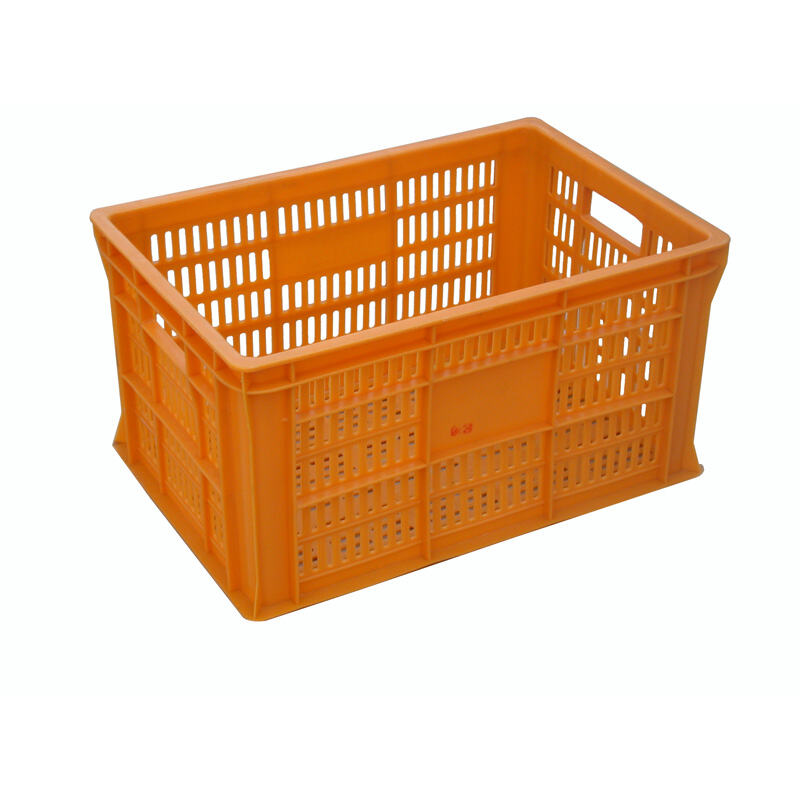
Ventilated fruit and vegetable boxes counteract two core decay drivers through passive physics: convective heat dissipation and ethylene dilution. Harvested produce generates up to 1.2 kW of thermal energy per ton—enough to elevate internal container temperatures by 3–7°C without airflow. Strategically placed vents create consistent convective exchange that:
- Reduces thermal buildup by 60–80% versus sealed containers
- Dilutes ethylene to below 1 ppm—the threshold at which ripening acceleration ceases
- Helps maintain transit temperatures in the optimal 10–13°C range for most produce
Moisture Control Synergy: How Ventilated Fruit and Vegetable Boxes Extend Shelf Life
Ventilation regulates humidity via vapor diffusion—lowering relative humidity by 25–40% and disrupting the moisture-ethylene-temperature feedback loop. This cascade effect:
- Slows mold spore germination
- Preserves cell wall integrity and turgor pressure
- Maintains protective cuticular waxes that repel pathogens
Field trials confirm this synergy extends strawberry shelf life by 5–7 days and cuts lettuce spoilage by 34%. Crucially, consistent airflow prevents condensation—eliminating the moist microenvironments where bacteria multiply exponentially on compromised surfaces.
Design Principles for Effective Ventilated Fruit and Vegetable Boxes
Effective ventilation requires precision engineering—not just holes in cardboard. It balances consistent air exchange with structural protection, stacking stability, and produce safety.
Optimal Vent Placement, Size, and Pattern: Balancing Airflow and Structural Integrity
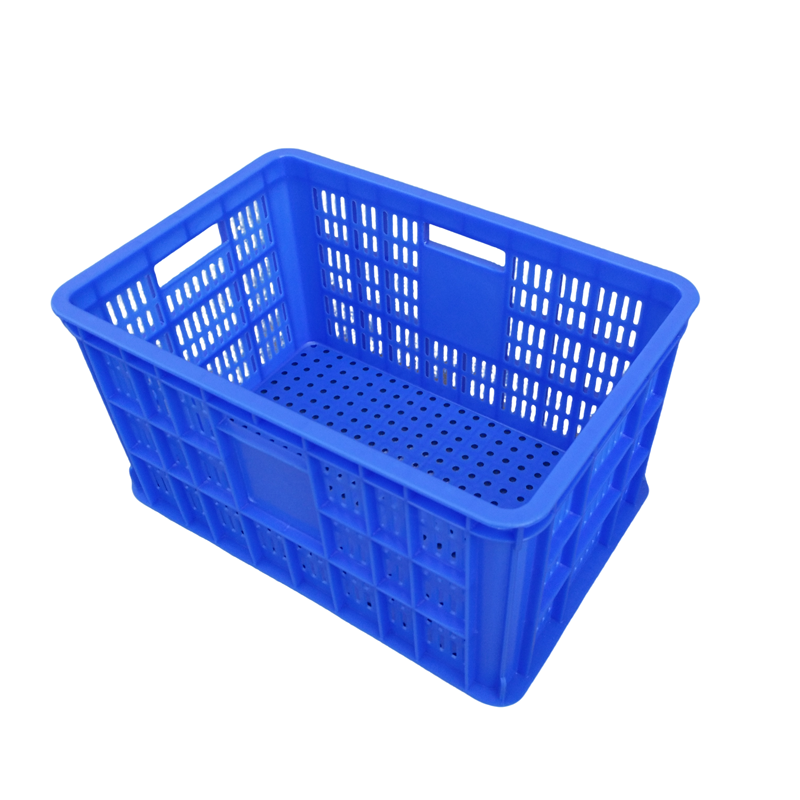
Getting vent placement right matters for actual logistics in the field. When we put side wall vents together with openings at the bottom, it creates good air flow while still keeping the container strong enough to hold things. Studies indicate somewhere around 5 to maybe 7 percent of the total surface area should be open for vents to get that sweet spot between proper ventilation and structural integrity. Some computer models called CFD simulations show interesting results too. They found that hexagon shaped vents cut down on those annoying dead spots where air doesn't circulate properly by about 18 percent compared to regular round holes. Important thing to remember though is that vents shouldn't touch fruits or vegetables directly because that can cause damage. Properly positioned vents actually help keep temperatures inside more consistent throughout shipping journeys, sometimes reducing fluctuations by as much as four degrees Celsius depending on conditions.
Material Considerations: Corrugated Board Perforation vs. Mesh Integration
Material choice shapes performance, durability, and cost:
- Corrugated perforations: Laser-cut micro-perforations (0.5–2 mm) retain 92% of board compression strength while enabling moisture diffusion. Best paired with moisture-resistant coatings for high-humidity environments.
- Integrated mesh panels: Polypropylene mesh inserts boost airflow by 40%, ideal for high-respiration items like berries—and especially effective in reusable systems.
- Hybrid designs: Corrugated walls with targeted mesh windows deliver balanced economy and performance; recent trials show 27% longer strawberry shelf life versus standard boxes.
Thermal imaging confirms all three approaches suppress condensation when vent density and material thickness are properly matched—disrupting the humidity-ethylene feedback loop at its source.
Real-World Impact: Commercial Validation and Emerging Innovations
Commercial adoption validates ventilation as a high-impact, low-cost intervention. Produce distributors report an average 22% reduction in spoilage after switching from solid-wall to optimized ventilated fruit and vegetable boxes—with tomatoes and berries showing the strongest shelf-life gains. These improvements directly lower supply chain waste and enhance end-consumer freshness.
Beyond incremental gains, next-generation innovations are redefining passive preservation:
- Nanoporous membranes that selectively filter ethylene while retaining optimal humidity
- Biodegradable smart films with temperature-responsive airflow valves
- Embedded IoT sensors that monitor real-time gas concentrations and adjust ventilation dynamically during transit
Field trials indicate these technologies could reduce post-harvest losses by an additional 18–30% across diverse climates—pointing toward fully autonomous, zero-energy packaging systems engineered for resilience, not just containment.