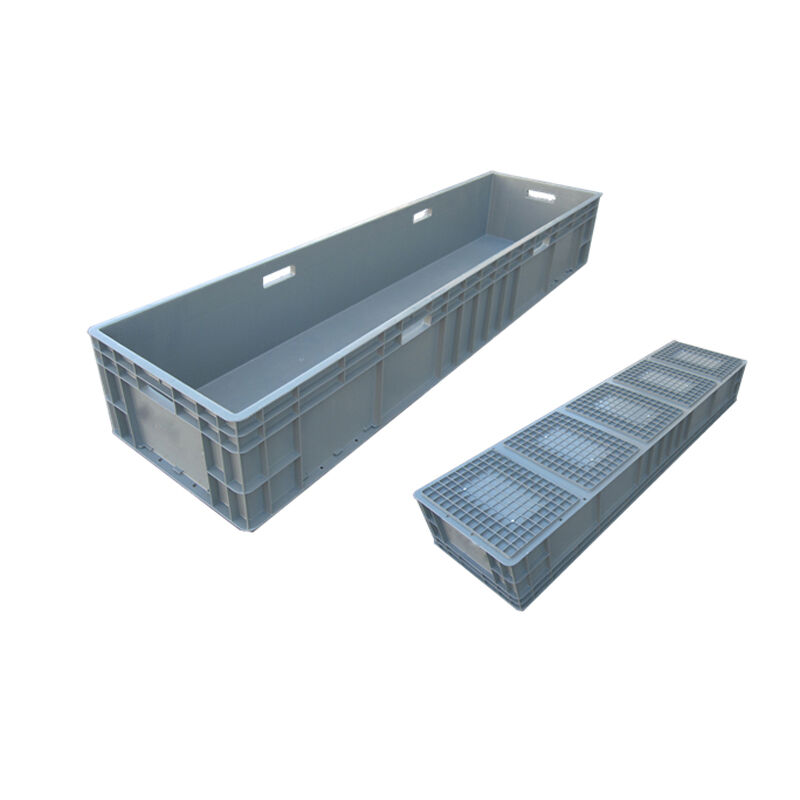
EN
EN

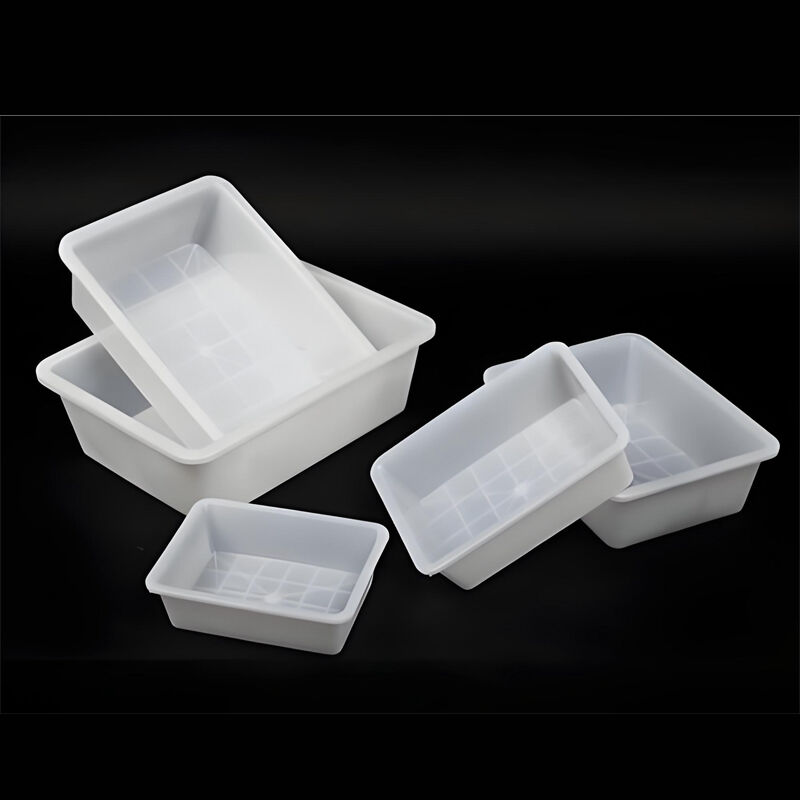
Unmatched Durability and Structural Integrity
Impact resistance and load-bearing capacity in transit and stacking
When it comes to storing things, plastic boxes hold up much better than cardboard under pressure situations. They resist getting crushed during transportation and allow for stacking heavy stuff like books or tools safely and densely without collapsing. The walls made from special polymers spread out the weight pretty evenly across the box, which warehouse managers find really helpful for their operations. Regular cardboard just falls apart quickly when wet or subjected to stress, but industrial strength plastic can take quite a beating. These plastic containers handle accidental bumps, the squeezing that happens when loading trucks, and all the back and forth handling they get in distribution centers. Because of this durability, fewer products get damaged while moving around, so many companies prefer them for sending out delicate items or valuable goods that need extra protection during shipping.
Lifespan comparison: 5+ years of reuse vs. single-use cardboard degradation
Most cardboard boxes start falling apart after just one move because they soak up moisture, seams give way, and they lose their ability to hold shape when humidity gets above 12%. That's where industrial quality plastic storage containers really shine though. These tough plastic boxes can last for five years or more without showing signs of wear and tear. According to field research, polypropylene containers handle over fifty loading cycles without breaking down, whereas cardboard boxes have about a 78% chance of failing after only two relocations. Warehouse managers often find that the extra cost of plastic pays itself back after three to four moves. Plus, special UV resistant plastics keep from getting brittle even during extended storage periods, which means no more worrying about cardboard boxes simply disappearing into dust over time like they inevitably do.
Total Moisture and Environmental Protection
Non-porous plastic storage box design prevents water absorption, mold, and mildew
Plastic storage containers create a solid shield against whatever Mother Nature throws their way. Take cardboard for instance—it soaks up moisture like a sponge, sometimes holding as much as half its own weight when things get damp. Plastic on the other hand stays completely dry no matter what. This means no mold or mildew problems since those little critters need something organic plus constant wetness to grow. Most folks don't realize cardboard starts breaking down once humidity hits around 12%, while plastic keeps its shape and strength regardless of weather conditions. When storing important papers, clothes, gadgets, or delicate machinery, this total protection really makes a difference. No worries about water ruining stuff, bacteria getting in, or items warping over time. That's why people keep finding these plastic boxes so useful in tricky spots like basements prone to dampness, storage areas near the coast where salt air hangs around, or anywhere else where regular boxes would just fall apart after months of exposure.
Proven Cost Efficiency Through Reusability and ROI
Break-even analysis: how 3–4 moves offset the initial premium over cardboard
Plastic storage boxes might cost more when bought initially compared to cardboard options, but they pay for themselves pretty quickly because they can be reused so many times. According to industry data, most people reach the break even point somewhere between three and four moves. Take a look at the math: if someone spends $10 on a durable plastic container versus buying $3 cardboard boxes each time, those cardboard costs add up fast (that's $12 just for four moves). Every time these plastic containers get used again, the actual cost per move keeps dropping without losing any usefulness. When looking at long term expenses over about five years, companies typically see around double their investment back not just from avoiding constant repurchasing but also from slashing trash removal bills by nearly three quarters compared to throwing away all those single use boxes. Basically, these longer lasting containers turn what seems like an expensive purchase into real money saved again and again throughout operations.
Optimized Functionality: Stackability, Security, and Handling
Interlocking design and uniform dimensions enable safe, stable 6-foot stacking
The interlocking lids and bases are designed to fit together tightly when stacked, which stops them from moving sideways while being transported or stored somewhere. When all the containers have the same size measurements, they distribute weight evenly across the stack. This helps avoid those wobbles and tilts that happen with regular cardboard boxes of different sizes. The standard shape allows for stacking vertically quite safely, reaching heights around 6 feet tall actually. Most warehouses report stacking about four or five full containers without issues. Warehouse research has found that these uniform containers cut down on damaged goods by roughly 27% compared to mixed size options during dense storage situations.
Integrated latches and dust-tight seals enhance security and cleanliness
Snap latches that are built tough stop things from opening by accident when moving or stacking containers. The seals on these boxes are made to compression grade standards, forming a really good defense line against dust getting in, bugs finding their way inside, and moisture creeping through. Cardboard tells a different story entirely. It soaks up humidity from the air and starts breaking down pretty fast too – about 15% degradation happens in just six months if kept somewhere damp. Plastic storage solutions keep the inside humidity level under control though, staying below 45% RH no matter what's going on outside the box. For stuff that needs special care like important papers, electronic components, medicine supplies, or old fabric collections, this kind of protection makes all the difference for keeping them safe over time without contamination issues.
Superior Long-Term Storage Performance
Plastic storage boxes are really reliable when it comes to keeping things safe for long periods. The materials just don't break down like other options do. Cardboard is actually pretty weak stuff. When exposed to even a little bit of moisture, it loses about half its strength and starts falling apart within a few months in normal warehouse settings. Plastic containers made from polyethylene or polypropylene tell a different story though. These boxes won't warp, get damaged by water, or let pests inside no matter how long they sit there. For places that need to store documents or items for 10 to 30 years or more, like law firms, government offices, or museums, switching from cardboard makes a huge difference financially. They spend around 80% less on replacements because plastic lasts so much longer. And there's another benefit too. Since these plastic boxes can be reused forever, they create way less waste compared to constantly replacing cardboard boxes. That means both saving money and being better for the environment in the long run.