 EN
EN

How to Choose a Parts Box for Industrial Components
Time : 2025-12-18
Understand Your Industrial Component Needs First
Choosing the right parts box for industrial components starts with knowing exactly what you’re storing and moving. Industrial components come in all shapes and sizes from tiny electronic parts to bulky mechanical pieces so your parts box must fit them perfectly. Think about the dimensions weight and special requirements of your components. If you’re dealing with sensitive electronic parts an anti static parts box is a must to protect them from static damage. For heavy components look for a parts box made of durable materials like high impact HDPE or PP that can handle the load without cracking. Also consider how many components you need to store at once. A parts box with enough internal space but not too much extra room will prevent parts from shifting during transportation which reduces the risk of damage. Don’t forget about the environment where the parts box will be used. If it’s going into a cold storage facility choose a parts box that’s low temperature resistant. For cleanrooms a parts box that’s easy to clean and non contaminating is essential. Taking these factors into account will help you narrow down your options and find a parts box that meets your basic needs.
Evaluate the Material and Durability of the Parts Box
The material of the parts box is a key factor in its performance and lifespan especially for industrial use. Most high quality parts boxes are made from HDPE or PP because these materials offer excellent durability impact resistance and moisture resistance. HDPE is known for its toughness and ability to withstand harsh chemicals making it ideal for parts boxes used in chemical or pharmaceutical industries. PP on the other hand is lighter while still maintaining good strength which is great for parts boxes that need to be moved frequently. When checking durability look for a parts box with reinforced ribs and a stable bottom structure. These features enhance the box’s load bearing capacity and prevent it from warping or breaking under pressure. A well made parts box should be able to withstand repeated stacking transportation and handling without showing signs of wear. Also consider if the material is food grade if you’re using the parts box in the food and beverage industry or medical grade for healthcare applications. Choosing a parts box made from the right material ensures that it can stand up to the demands of your industry and protect your components effectively.
Consider the Design and Functionality of the Parts Box
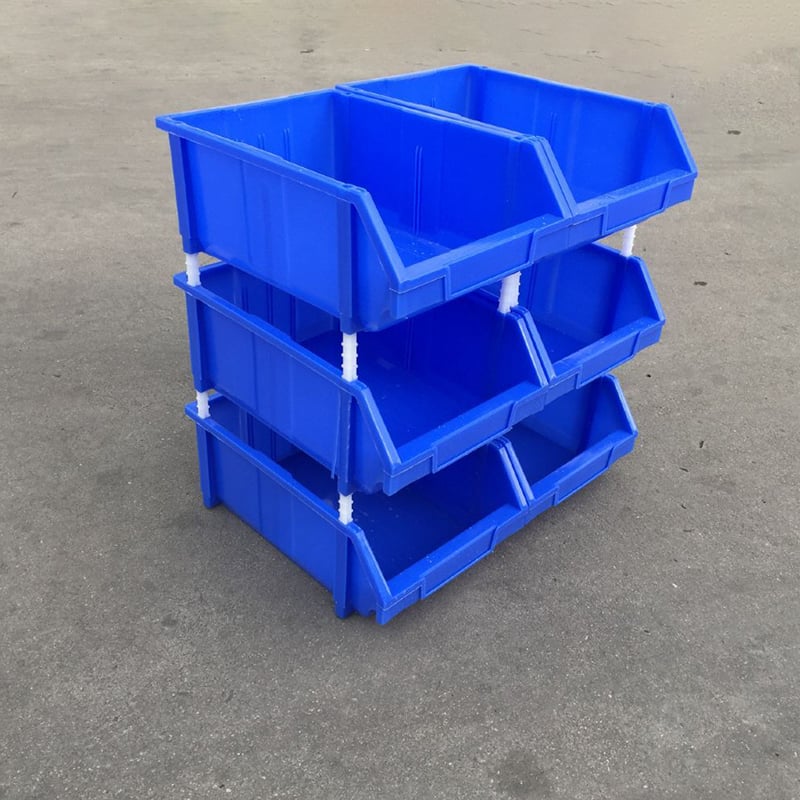
A good parts box isn’t just durable it’s also designed to make your workflow more efficient. Look for design features that align with your daily operations. For example if you need to sort different components a parts box with dividers or multiple compartments is extremely useful. This allows you to keep parts organized and easily accessible saving you time when retrieving items. Stackability is another important feature especially if you have limited warehouse space. A parts box with a stable stacking design lets you pile them up neatly without the risk of them toppling over maximizing your storage space. Folding parts boxes are a great option if you need to save space during transportation or when not in use. They can be folded flat when empty reducing storage and shipping costs. Also think about ease of handling. Parts boxes with ergonomic handles make it easier for workers to carry them around the factory or warehouse. Some parts boxes come with RFID chips or QR code compatibility which enables real time tracking of your components. This is a game changer for inventory management as it allows you to quickly locate parts check stock levels and monitor their movement throughout the supply chain.
Check for Compatibility and Standardization
When choosing a parts box for industrial components compatibility with your existing logistics system is crucial. Your parts box should fit seamlessly with your pallets shelves and transportation equipment. Most industries follow standard sizes so opting for a standardized parts box ensures that it works with your current setup. For example a 600*400 standard plastic basket pairs perfectly with 1210 pallets which is a common size in many warehouses. This compatibility makes loading unloading and storage more efficient as you don’t have to worry about the parts box not fitting on your equipment. Also consider if the parts box meets industry specific standards and certifications. If you’re in the medical or pharmaceutical industry the parts box should comply with hygiene and safety regulations. Look for certifications like ISO9001:2016 which indicates that the parts box meets high quality management standards. Choosing a standardized and certified parts box not only ensures compatibility but also gives you peace of mind knowing that your components are stored in a safe and compliant manner.
Look for Customization Options and Supplier Reliability
Every industrial operation has unique needs so finding a parts box that can be customized is a big advantage. A reliable supplier should offer customization options such as adjusting the size color or internal structure of the parts box to fit your specific components and workflow. For example if you need a parts box with a specific color to match your inventory system or a unique compartment layout for specialized parts a supplier who can accommodate these requests is invaluable. Customization can also include adding features like anti static properties conductivity or special sealing to meet your industry’s requirements. In addition to customization it’s important to choose a reputable supplier. Look for a supplier with years of experience in manufacturing plastic products for warehousing and logistics. A source factory that eliminates middlemen is ideal as they can offer competitive prices faster order fulfillment and better communication. Check customer reviews and past projects to ensure that the supplier delivers high quality products on time. A reliable supplier will also provide after sales support to address any issues or concerns you may have. By choosing a supplier that offers customization and reliability you can get a parts box that perfectly fits your needs and ensures a smooth supply chain operation.