 EN
EN

Shelf Box Sizes and Material Options
Time : 2025-12-19
Understand Common Shelf Box Size Standards
Choosing the right shelf box starts with getting familiar with standard sizes that fit most warehouse setups. The most popular sizes are designed to work seamlessly with common pallets like the 1210 model which is widely used in logistics. A 600x400mm shelf box is a top choice because it pairs perfectly with 1210 pallets maximizing loading space without wasting room. For smaller components there are compact options around 300x200mm that keep tiny parts organized without taking up too much shelf space. Larger shelf boxes like 800x600mm are great for bulkier items or when you need to store more products in one container. It’s important to measure your shelves first to make sure the shelf box fits snugly without leaving gaps or being too tight to pull out. Standardized sizes also make stacking easier so you can create neat rows of shelf boxes that won’t tip over. Whether you’re using them in a three dimensional warehouse or a small storage room picking a size that aligns with your existing setup will save a lot of hassle and improve space utilization.
Choose Shelf Box Sizes Based on Storage Needs
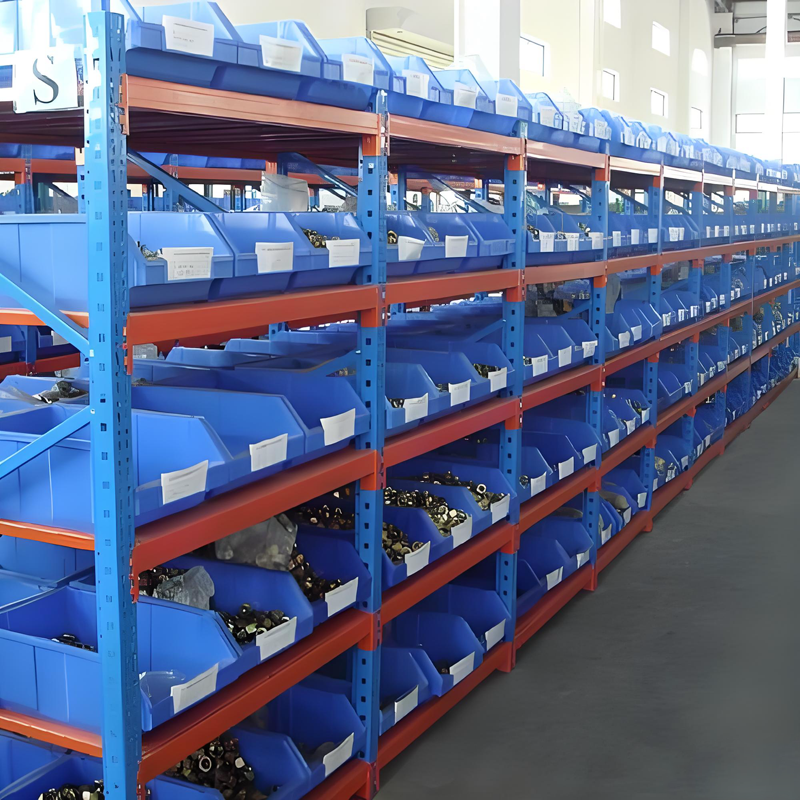
Your specific storage needs should guide the shelf box size you pick. If you’re storing small electronic parts or hardware a small to medium shelf box with dividers will keep items sorted and easy to find. For larger items like automotive components or industrial tools a bigger shelf box with a deeper design makes sense to prevent overcrowding. Think about how much you need to store at once too. If you have high inventory turnover a medium sized shelf box that’s easy to carry and unload might be better than a huge one that’s hard to move. Cold storage facilities need shelf boxes that can handle low temperatures while still fitting on refrigerated shelves so size consistency is key here. Also consider future growth—opting for a shelf box size that can adapt to increasing inventory will save you from having to replace them later. Don’t forget about accessibility; a shelf box that’s too tall might be hard to reach on upper shelves while one that’s too short wastes vertical space. Matching the shelf box size to your actual storage items and space will make your warehouse more efficient.
Explore Key Shelf Box Material Choices
The material of a shelf box directly affects its durability and usability in different environments. HDPE is the most common material for shelf boxes because it’s tough impact resistant and moisture proof. It works great in industries like food and beverage chemical and pharmaceutical since it’s easy to clean and can handle harsh substances. PP is another popular option that’s lighter than HDPE while still being strong making it ideal for shelf boxes that need to be carried around frequently. For special needs there are shelf boxes made with anti static materials which are a must for storing electronic components or precision instruments. These materials prevent static electricity from damaging sensitive parts. Some shelf boxes also use reinforced materials with extra ribs or thickened walls to handle heavier loads without cracking. If you’re using the shelf box outdoors or in humid conditions look for materials that resist fading and corrosion. Choosing the right material ensures your shelf box lasts long and performs well in your specific work environment.
Material Selection Based on Industry Requirements
Different industries have unique needs that should influence your shelf box material choice. In the food and beverage industry shelf boxes need to be food grade HDPE or PP to meet hygiene standards. These materials are non toxic easy to sanitize and won’t contaminate food products during storage or transport. The chemical industry requires shelf boxes made from corrosion resistant materials like HDPE that can withstand exposure to chemicals without breaking down. For the medical field shelf boxes must be medical grade and easy to sterilize to keep medical supplies or waste safe. Electronics manufacturers benefit from anti static shelf boxes that protect sensitive components from static damage. Cold storage operations need shelf boxes that stay durable in low temperatures so materials like HDPE which resist freezing and cracking are perfect. Agricultural uses might call for moisture proof shelf boxes to keep produce or seeds dry. Matching the shelf box material to your industry’s specific demands ensures compliance with regulations and keeps your items safe.
Custom Shelf Box Options for Special Needs
When standard sizes and materials don’t fit your needs custom shelf boxes are the way to go. Many manufacturers offer tailor made solutions where you can choose the exact size material and features for your shelf box. If you have irregularly shaped items you can get a shelf box with custom dimensions that fits them perfectly. Need a shelf box with extra durability for heavy loads? You can opt for reinforced materials or thicker walls. Custom colors are also available which help with inventory management—assign different colors to different product lines for quick identification. For industries that need traceability you can add RFID chips to your custom shelf box allowing you to track items in real time. Folding custom shelf boxes are great for saving space during transport or when not in use. When choosing a custom shelf box make sure to work with a reputable manufacturer with experience in your industry. They can advise you on the best materials and design features to meet your needs while ensuring the shelf box is compatible with your existing shelves and pallets. Custom solutions might cost a bit more but they offer perfect fit and functionality that standard shelf boxes can’t match.