EN
EN

Why Plastic Crate Boxes Outperform Traditional Packaging in Logistics
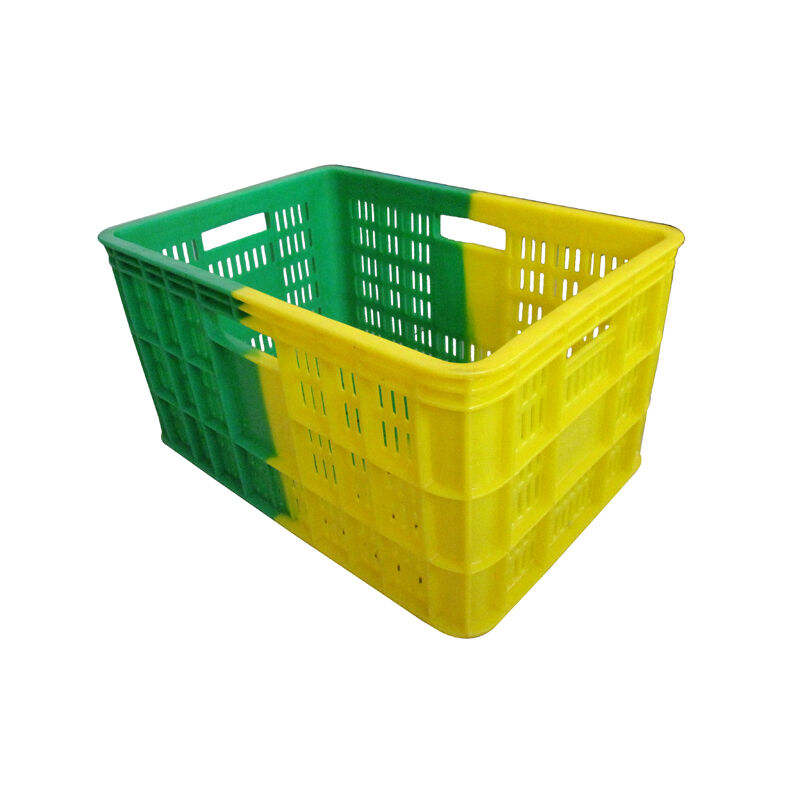
When it comes to modern supply chains, plastic crate boxes just plain beat out cardboard and wood hands down, mainly because they last so much longer. These industrial strength plastic containers can take all sorts of punishment from daily warehouse operations including bumps, shakes, and heavy weight stacking without breaking apart. Studies show that switching to these durable crates cuts down on damaged goods by around 40 percent when compared to those one time use boxes everyone keeps throwing away. The money saved adds up fast too. Companies that switch to reusable plastic crates stop paying for new packaging materials every time they need something shipped or stored. Most find their investment pays off within about nine months once they start recycling the same crates multiple times across different shipments. Plus, since these crates come in standard sizes, they work really well with all the automation equipment now found in warehouses such as conveyor belts and robot arms picking items off shelves, which saves workers roughly 30% of their usual handling time according to recent surveys among logistics managers.
Saving space ranks right up there as a major plus point. The collapsible and nestable design cuts down on empty returns during shipping by around 60% compared to those traditional rigid containers. Stacking them efficiently makes warehouses work better too, since they still allow proper air flow which matters a lot when transporting things that go bad quickly. Take the food industry for instance where cleanliness matters most. Plastic crates with their smooth surfaces stop bacteria from growing and meet all those FDA requirements for cleaning standards. All these factors together durability, ability to reuse over and over again, works well with automated systems, stays clean make plastic crates pretty much essential if companies want their logistics operations running smoothly without constant headaches.
Key Features of High-Performance Plastic Crate Boxes
Stackability and Nesting Design for Space Optimization
Plastic crate boxes designed for high performance come with interlocking stacking features and walls that slope inward, making sure loads stay stable when stacked vertically during transportation. When these crates are empty, they fit inside each other really well, cutting down on storage space needed by about three quarters compared to regular containers. The ability to stack them both full and empty saves a lot of room in warehouses and makes better use of trailer space without messing up the cargo's stability. Plus, most models have non-slip bases and extra strong corners that stop things from moving around while being transported across town or country.
Durability, Impact Resistance, and Load-Bearing Capacity
Made from either high density polyethylene (HDPE) or polypropylene (PP), these storage crates hold up really well during tough industrial handling situations. They don't crack when exposed to freezing cold conditions like wooden alternatives do, and can handle weights over 1,500 pounds without losing their shape. Some lab tests actually found that HDPE containers can take about five times as many impacts before showing any signs of damage compared to regular crates on the market today. That kind of durability makes them especially good choices for transporting automotive components and parts used in heavy machinery applications where reliability matters most.
Hygienic, Washable, and FDA-Compliant Materials
The smooth, non porous surfaces really stop bacteria from taking hold and make it much easier to clean properly in those big industrial washing machines. Using FDA approved resins means companies stay within regulations when handling food products or pharmaceuticals, something especially important for things like fresh fruits vegetables kept at low temps or distributing medical supplies. These materials just don't absorb water or get corroded by chemicals, so they keep products pure even after hundreds of washes. No need to worry about tiny bits of wood coming loose or fibers from cardboard getting mixed in during processing anymore.
Top Applications of Plastic Crate Boxes Across Industries
Automotive and Tier-1 Supplier Just-in-Time (JIT) Systems
Car makers depend heavily on those plastic crate boxes when it comes to getting parts exactly where they need to be in Just-in-Time manufacturing systems. The crates come in standard sizes so nothing gets crushed during transport, plus they can nest together which saves tons of space on factory floors. One big car company in Europe saw an 18 percent drop in how long workers spent moving components around once they switched to these uniform containers. That kind of efficiency makes all the difference for first-tier suppliers trying to match their shipments perfectly with what's happening on the production line at any given moment.
Fresh Produce and Cold Chain Distribution
When it comes to transporting perishable goods, plastic crate boxes really make a difference in keeping products intact all the way from farms to store shelves. These crates are made with FDA approved materials that can handle being washed down over and over again, which cuts down on bacteria spreading between different batches. The way air moves through these crates matters too. There are special ventilation spots built right in that let fresh air circulate around fruits and veggies, and this actually helps cut spoilage by about 15 percent when compared to old wooden containers. For cold chain transportation, these plastic crates don't sweat or get damp inside, something that's super important for delicate stuff like strawberries and spinach traveling through those complicated multi temperature supply chains we see nowadays.
E-Commerce Fulfillment and Reverse Logistics
Many e-commerce companies have started using plastic crate boxes throughout their fulfillment centers to manage inventory better. These crates can be stacked on top of each other, which means warehouses can fit way more stuff vertically when demand spikes. Some operations report getting about 30% more space out of their facilities this way. When it comes to returning goods, these durable crates last through at least 20 reuse cycles before needing replacement. That cuts down on costs significantly compared to cardboard alternatives, saving around 40% in replacements alone. Plus, most modern versions come with built-in RFID slots so managers can track shipments as they move through the system. This kind of visibility helps keep everything running smoothly and makes it easier to spot problems before they become major issues.
How to Select the Right Plastic Crate Box for Your Operation
Matching Dimensions, Weight Limits, and Handling Requirements
Picking out the correct plastic crate box isn't just about size it needs to match what we actually need for our operations. Start by measuring inside the crate against whatever is the biggest item we need to transport so nothing gets smashed during shipping. Weight matters too. Most regular crates can hold around 50 pounds but if we're moving heavier stuff, look for those reinforced ones that can take over 200 pounds without breaking down. A recent report from Freedonia Group found that nearly one third of all warehouse damage happens when people overload their containers beyond what they were designed for. Also worth thinking about how these boxes will be handled day to day since different workplaces have varying storage and transportation requirements.
| Load Capacity | Avg. Weight Range | Handling Compatibility |
|---|---|---|
| Light-Duty | 20–50 lbs | Manual/conveyor belts |
| Medium-Duty | 50–150 lbs | Pallet jacks/rollers |
| Heavy-Duty | 150–500 lbs | Forklifts/AGVs |
Evaluating Customization Options: Labeling, RFID Integration, and Color Coding
Enhance traceability and workflow efficiency through targeted modifications:
- Barcode/QR Labeling: Laser-etched surfaces support scannable, permanent asset tracking
- RFID (Radio-Frequency Identification) Integration: Enables bulk scanning of 100+ crates simultaneously–reducing inventory errors by 27%, per a 2024 warehousing study
- Color-Coded Systems: Assign industry-specific hues (e.g., blue for automotive, green for produce) to accelerate sorting by 40%
Supply chain managers should prioritize FDA-compliant customization when operating in regulated sectors to maintain hygiene standards without compromising functionality.