EN
EN
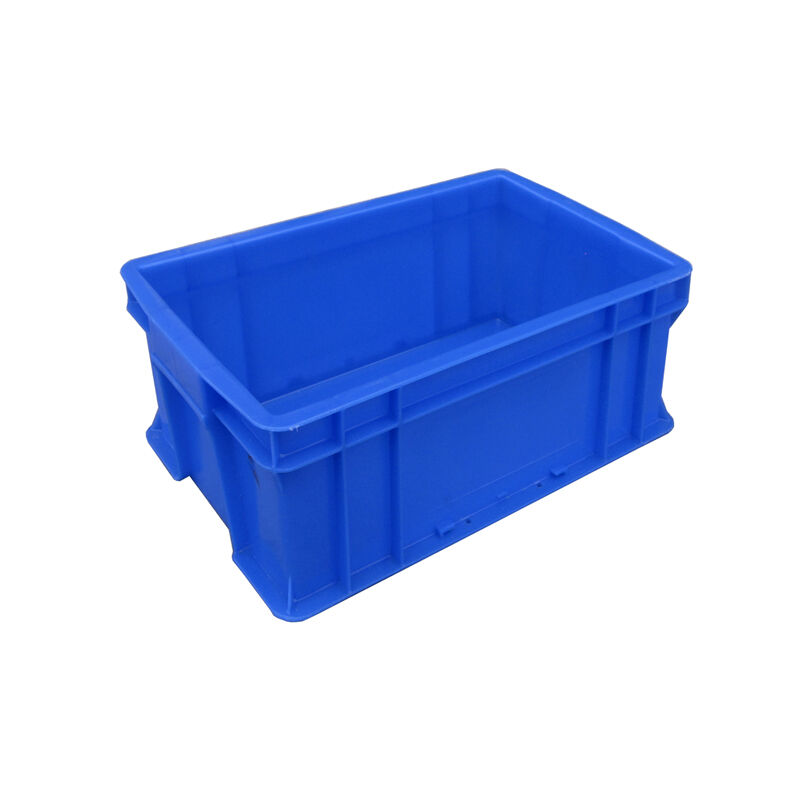
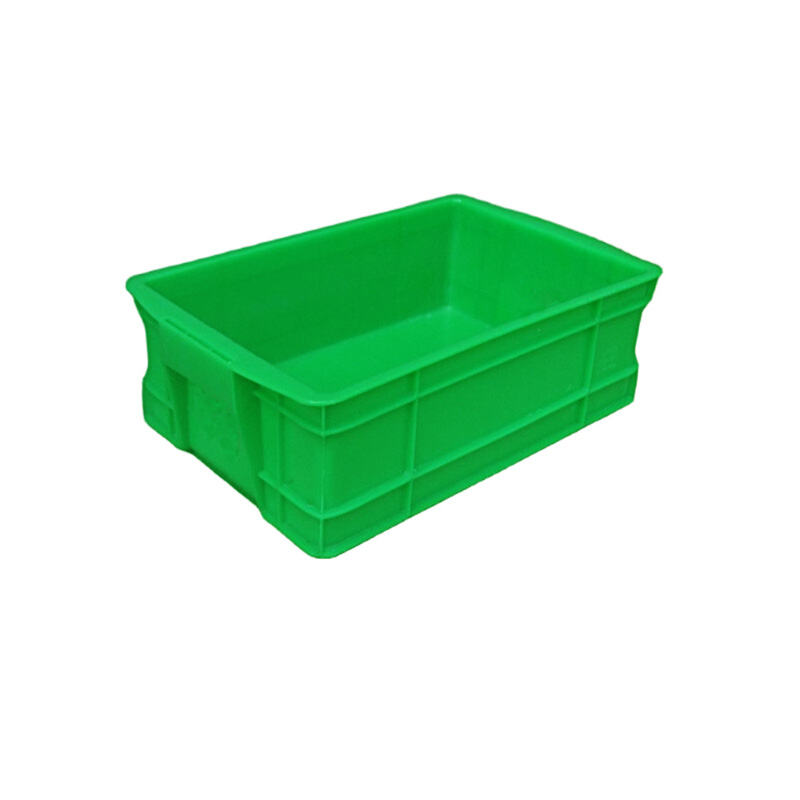
Bulk storage is a critical part of operations for warehouses, manufacturing plants, farms, and retail businesses—whether you’re storing raw materials, finished goods, produce, or tools, the right crate can make or break efficiency, safety, and cost-effectiveness. A well-chosen crate protects your items, maximizes space, and streamlines handling, while a poor fit can lead to damage, clutter, and wasted resources. Huadupallet, a leading provider of industrial storage solutions, offers a wide range of crates designed for bulk storage, featuring durable materials, thoughtful designs, and versatile configurations. Our products are engineered to meet the unique demands of different industries, from heavy-duty industrial use to food-safe agricultural storage. Based on practical industry cases, storage expertise, and user feedback, this article shares a comprehensive guide to choosing the perfect crate for bulk storage.
Match the crate material to your storage needs
The material of a crate is the foundation of its performance—different materials offer varying levels of durability, weight, moisture resistance, and cost. Choosing the right material starts with understanding your stored items and environment.
Huadupallet offers crates in three core materials: high-density polyethylene (HDPE), polypropylene (PP), and wood. HDPE crates are ideal for heavy-duty use, moisture-prone environments, or food storage—they’re impact-resistant, waterproof, and easy to clean, meeting FDA standards for food contact. PP crates are lightweight yet sturdy, perfect for medium-weight items and frequent handling. Wood crates are a cost-effective option for non-perishable goods, offering excellent load-bearing capacity for bulky items like machinery parts.
A farm specializing in fresh produce once used wood crates that absorbed moisture, leading to moldy vegetables. After switching to Huadupallet’s HDPE food-grade crates, they eliminated spoilage, as the waterproof material kept produce dry and clean. A manufacturing plant chose our PP crates for storing small components, appreciating their lightweight design that reduced worker fatigue during transport. Material science experts emphasize that matching crate material to stored items can reduce damage rates by 40%, ensuring your bulk goods stay protected.
Consider load capacity and structural strength
Bulk storage requires crates that can handle heavy weights without bending, cracking, or collapsing—overloading a crate not only damages the container but also risks injury to workers and damage to goods. It’s crucial to choose a crate with a load capacity that exceeds your actual storage needs.
Huadupallet’s crates are engineered with reinforced structures to maximize strength. Our heavy-duty HDPE crates have a static load capacity of up to 500kg and dynamic load capacity of 200kg, making them suitable for industrial parts, building materials, and heavy tools. For lighter bulk items like textiles or packaged goods, our PP crates offer a load capacity of 150-250kg, balancing strength and portability. All our crates feature reinforced edges, thickened bases, and sturdy handles to distribute weight evenly and withstand frequent stacking and handling.
A construction company once used generic crates that cracked under the weight of steel bars. After switching to Huadupallet’s heavy-duty HDPE crates, they safely stored and transported 300kg loads without any damage. “The reinforced base and edges make all the difference,” said the site supervisor. Structural engineering experts note that crates with proper reinforcement are 3x more durable than standard designs, reducing replacement costs and accident risks.
Evaluate stackability and space efficiency
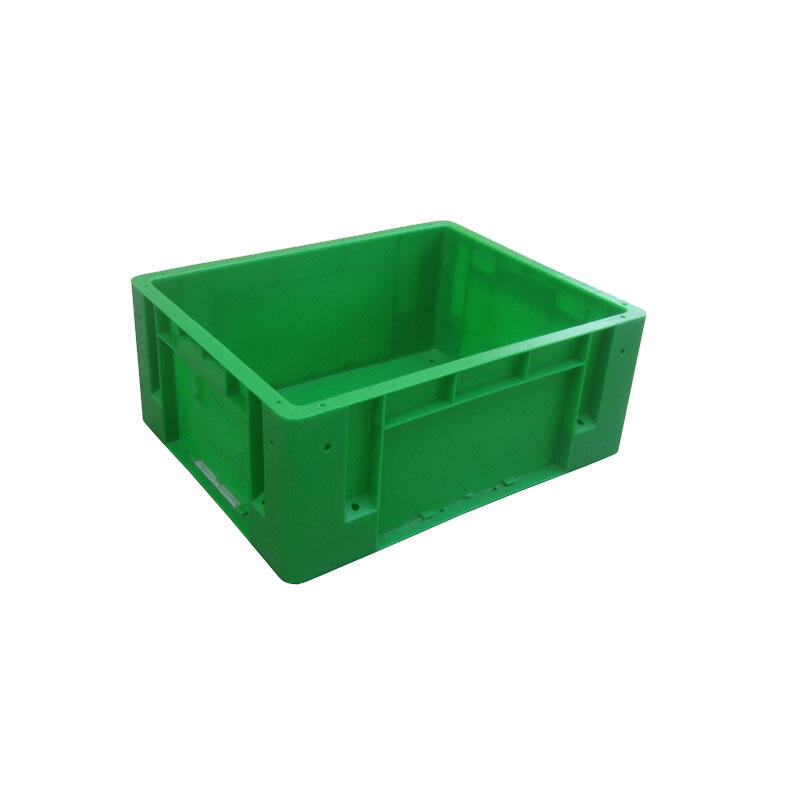
Space is a premium in bulk storage, so stackability is a key factor to consider. A crate that stacks securely allows you to utilize vertical space, doubling or tripling storage capacity without expanding your footprint. Poorly stackable crates lead to wobbly piles, wasted space, and safety hazards.
Huadupallet’s crates are designed with interlocking stacking mechanisms—our HDPE and PP crates feature recessed lids and raised bases that fit snugly together, preventing slipping even when stacked 4-5 high. For wood crates, we add metal brackets to ensure stable stacking. Many of our crates are also nestable when empty, reducing storage space by 70% during non-use—a game-changer for businesses with seasonal storage needs.
A warehouse manager struggling with cluttered aisles switched to Huadupallet’s stackable crates and immediately freed up 50% of floor space. “We can stack 5 crates high now, and they stay rock solid,” he said. “Empty crates nest inside each other, so we don’t waste space storing them.” Storage optimization experts highlight that stackable crates improve space utilization by 60%, making them essential for high-volume bulk storage.
Ensure compatibility with handling equipment
Bulk storage often involves using handling equipment like forklifts, pallet jacks, or conveyor belts—your crate must be compatible with these tools to streamline operations and prevent damage. Ill-fitting crates can get stuck on conveyors, tip over during forklift transport, or slow down workflow.
Huadupallet’s crates are designed with standard dimensions that fit most handling equipment. Our industrial crates feature forklift entry points on all four sides, allowing easy lifting and transport. For conveyor systems, we offer low-profile crates with smooth bases that glide seamlessly. We also provide custom-sized crates for businesses with specialized equipment, ensuring a perfect fit.
A distribution center once faced delays due to crates that didn’t fit their conveyor belts. After switching to Huadupallet’s custom-sized crates, their throughput increased by 30%, as the crates moved smoothly through the system. Logistics experts emphasize that equipment-compatible crates reduce handling time by 25%, improving overall operational efficiency.
Factor in special requirements: food safety, ventilation, or recyclability
Depending on your industry, you may have specific needs that go beyond basic storage—food businesses need food-safe crates, farms require ventilated crates for produce, and eco-conscious companies prioritize recyclable options.
Huadupallet meets these special requirements with tailored solutions: our food-grade crates are made from FDA-approved HDPE, free from harmful chemicals and easy to sanitize. For produce storage, we offer ventilated crates with strategically placed holes that promote air circulation, extending the shelf life of fruits and vegetables. All our plastic crates are 100% recyclable, aligning with sustainability goals, while our wood crates are made from responsibly sourced lumber.
A grocery chain used our ventilated food-safe crates to transport fresh berries, reducing spoilage by 50% compared to non-ventilated options. An eco-friendly manufacturing company chose our recyclable PP crates, reducing their carbon footprint by 30%. Industry experts note that meeting special requirements not only ensures compliance but also enhances product quality and brand reputation.
In conclusion, choosing a crate for bulk storage requires careful consideration of material, load capacity, stackability, equipment compatibility, and special requirements. Huadupallet’s crates are engineered to excel in all these areas, offering durable, versatile, and cost-effective solutions for businesses of all sizes. Whether you’re storing heavy industrial parts, fresh produce, or packaged goods, our crates provide the protection, efficiency, and flexibility you need. With decades of experience in industrial storage, Huadupallet is committed to delivering high-quality products that solve real-world storage challenges. Choose the right crate from Huadupallet, and transform your bulk storage from a source of frustration to a driver of efficiency and success.