 EN
EN

ISPM-15 Compliance: Why Plastic Pallets Eliminate Phytosanitary Risk
Inherent exemption from heat treatment and fumigation requirements
Plastic pallets don't need to worry about ISPM-15 regulations since they're made from synthetic materials that simply can't host or spread plant pests. Wood pallets tell a different story altogether. They require either heat treatment at around 140 degrees Fahrenheit for half an hour or exposure to methyl bromide fumigation. Plastic skips all those steps completely. No waiting around for treatments that typically take 3 to 5 business days per shipment, no extra expenses running between $45 and $75 per pallet cycle. Exporters save themselves headaches too when it comes to customs inspections. Nobody wants to deal with rejected shipments over missing paperwork or incorrect wood stamps on certificates. And let's face it, plastic just doesn't soak up moisture like wood does nor provide a home for insects. That means plastic naturally fits what ISPM-15 aims to achieve without any special handling required. For companies shipping perishables, medicines, or food products across borders where inspections are super strict, this makes all the difference in getting goods delivered on time and intact.
Faster customs clearance, reduced documentation, and audit-ready traceability
When it comes to international shipping, the ISPM-15 rules make things much simpler for businesses using plastic pallets instead of wooden ones. These plastic options don't need those pesky phytosanitary certificates anymore, which cuts down customs processing time by around 40% because there's no need for special wood inspections. Paperwork gets slashed too, with about 30% fewer documents to deal with since we can skip all those treatment affidavits and compliance stamps that used to pile up. A lot of newer plastic pallet designs actually come with built-in RFID chips or QR codes now. These little tech additions track when and where the pallet was handled, what temperature conditions it experienced, and how long it spent in transit. Customs officials love this because it creates a secure digital record that's hard to mess with. The whole system saves time during inspections, sometimes cutting verification processes by as much as 70%. Plus, the permanent molded ID numbers stay clear and readable forever, unlike the faded handwritten marks or stamp impressions that often get smudged or worn off wooden pallets over time.
Load Capacity Validation for Global Transport Modes
Understanding dynamic, static, and racking load ratings in air, sea, and intermodal contexts
Selecting plastic pallets for global shipping demands precise validation across three distinct load capacities: static (vertical force when stationary), dynamic (stress during movement), and racking (resistance to lateral forces during handling). These metrics behave differently across transport modes:
- Air freight prioritizes lightweight design but demands high dynamic load tolerance to withstand turbulence-induced acceleration;
- Ocean shipping emphasizes static strength to support multi-tier stacking in containers—where compression can exceed twice the rated static load;
- Intermodal rail requires balanced racking resistance to prevent shifting during cross-dock transfers and yard maneuvers.
Using pallets validated only for static warehouse loads in dynamic environments—especially stacked container deployments—creates unacceptable structural risk.
Real-world consequences: collapse risk when static-only pallets are used in stacked container loads
Using plastic pallets rated only for static loads in ocean container stacks can lead to serious problems down the line. When ships are at sea, cargo faces constant G-forces from the movement of the vessel itself. Standard 40 foot containers also experience vertical compression forces that often double what the pallets are designed to handle. And then there's those sudden jolts when containers aren't stacked properly during rough weather conditions. Pallets that haven't gone through proper third party testing for dynamic or racking loads tend to buckle under all this stress, which sometimes results in entire container collapses. These kinds of failures mean damaged goods, long delays at customs checkpoints, and expensive cargo claims running around $740k on average according to Ponemon Institute data from last year. To prevent such losses, companies need pallets that meet ISO 8611-1 standards. Look for ones with clear documentation showing they've passed third party tests not just for how well they hold up under dynamic loading but also their stacking capabilities and material history so investigators can figure out what went wrong if issues arise.
HDPE vs. PP: Matching Plastic Pallet Material to Export Environmental Demands
HDPE for cold-chain resilience: impact resistance below freezing
High Density Polyethylene, or HDPE as it's commonly known, works really well in those super cold shipping situations where things just cannot fall apart. Most plastics get brittle when temperatures drop below freezing, but HDPE stays tough even at minus 40 degrees Celsius. That makes all the difference for stuff like medicines, frozen meals, and anything else that needs to stay chilled during transport. The way HDPE molecules pack together creates a barrier against moisture and chemicals, so products stay protected no matter how long they spend in cold storage. According to recent field tests published in Logistics Material Review last year, companies using HDPE pallets saw about a third less product damage than those with regular plastic options when operating in these extreme conditions. Why? Because these pallets keep performing reliably even when forklifts hit them on slippery warehouse floors or icy loading docks.
PP for humidity stability—and its UV degradation trade-off in port storage
Polypropylene, or PP as it's commonly called, stands out when it comes to resisting moisture from the air around us. Even in really humid areas like parts of Southeast Asia where the air feels almost wet, PP only soaks up less than 0.01% moisture. That means no warping issues, no mold growing on surfaces, and the size stays pretty much the same over time unlike wooden pallets which tend to warp and rot. For shipping goods across oceans through these hot and damp regions, PP becomes a smart choice. But there's a catch worth mentioning about PP materials. They don't handle sunlight well at all. Regular PP starts breaking down quickly when left outside in direct sun for too long. We've seen cases where after just 8 to 12 weeks sitting in port yards exposed to sun, the strength drops by nearly half. So anyone planning to ship products using PP containers needs to either go for special UV protected versions or make sure those containers stay under cover during storage periods, especially if they're going to be waiting around for shipment longer than expected. Otherwise, those neat stacks might collapse later on.
Optimized Dimensions and Structural Design for Container Efficiency & Handling Durability
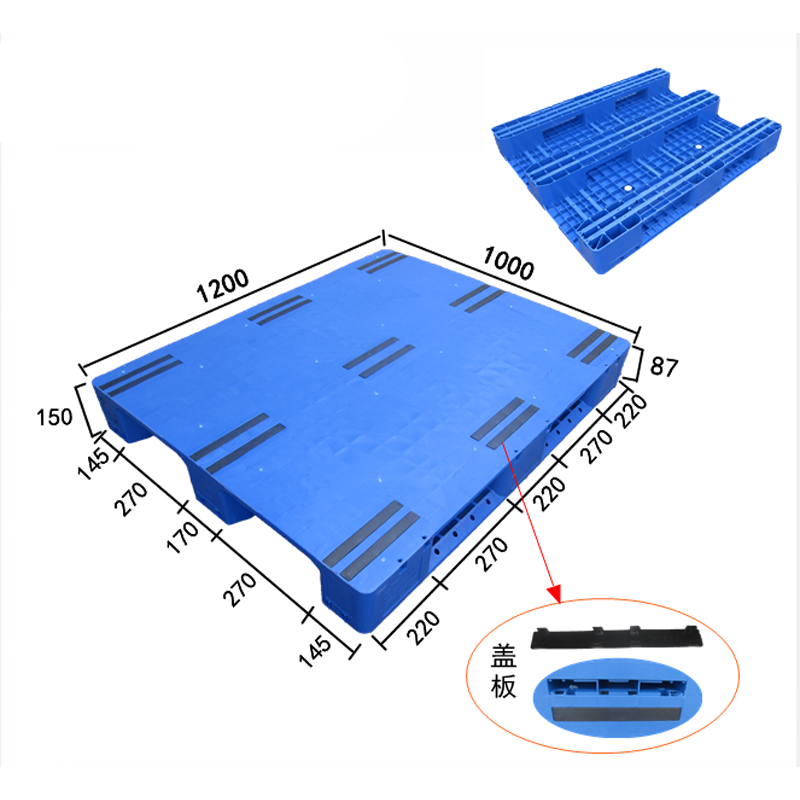
Standardized dimensions form the backbone of container efficiency. When containers maintain consistent sizes across their 20ft and 40ft variants, shipping companies can pack roughly 15% more items per trip according to recent studies from Maritime Logistics Analytics. Automated handling systems benefit greatly from design elements such as rounded corners and strengthened deck areas that stop equipment from getting caught during frequent forklift movements at ports. Pallets designed with interlocking features help keep stacks stable even when subjected to side-to-side movement during long sea voyages. Innovations in container construction have led to significant improvements too. Ribbed base structures and honeycomb patterns inside walls increase strength while reducing weight by around 30 to 50 percent compared to traditional solid panels. These structural enhancements mean containers resist bending under immense pressure from stacked cargo weighing over 25,000 pounds. The result? Lower shipping costs overall and fewer damaged goods claims because impact forces get distributed through carefully planned structural pathways rather than concentrating on vulnerable spots.
Supplier Due Diligence: Ensuring Consistent Plastic Pallet Performance Across Shipments
Identifying batch variability risks—warping, dimensional drift, and ISO 8611-1 compliance gaps
When manufacturing isn't consistent, it really hurts what gets exported reliably. Warped products happen when cooling cycles aren't done right, which makes them unstable when stacked together. If parts drift more than 2mm in size, they break the ISO 8611-1 standards and won't fit properly in those automated warehouse systems anymore. The biggest problem comes from tiny changes that go unnoticed in the ISO 8611-1 specs, especially near that 10,000 cycle mark where racks start failing under normal stress. According to some logistics research from last year, about one third of all damaged cargo claims actually stem from switching resins between different production runs without anyone noticing. Good supplier checks need to include things like watching raw materials mix ratios in real time, doing proper compression tests that match up with ISO standards, plus tracking each pallet's manufacturing details digitally. Exporters who skip these steps end up dealing with containers shifting during transport, getting rejected at customs checkpoints, and facing delays costing anywhere from 5 to 7 percent because their goods don't meet size requirements.
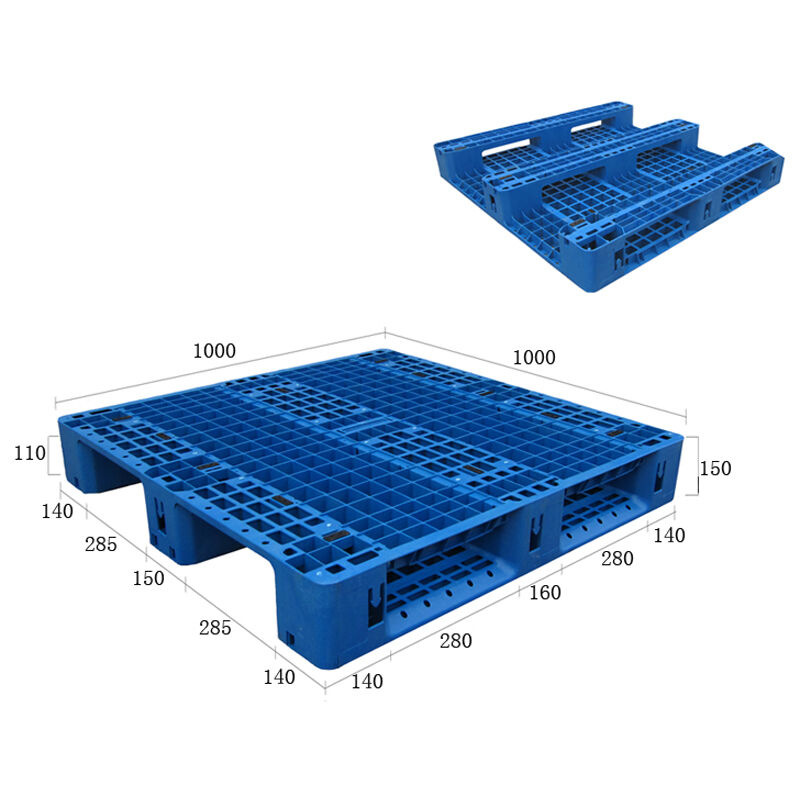
Table of Contents
- ISPM-15 Compliance: Why Plastic Pallets Eliminate Phytosanitary Risk
- Load Capacity Validation for Global Transport Modes
- HDPE vs. PP: Matching Plastic Pallet Material to Export Environmental Demands
- Optimized Dimensions and Structural Design for Container Efficiency & Handling Durability
- Supplier Due Diligence: Ensuring Consistent Plastic Pallet Performance Across Shipments