 EN
EN

What Makes a Food Box Suitable for Fresh Produce?
Time : 2025-12-26
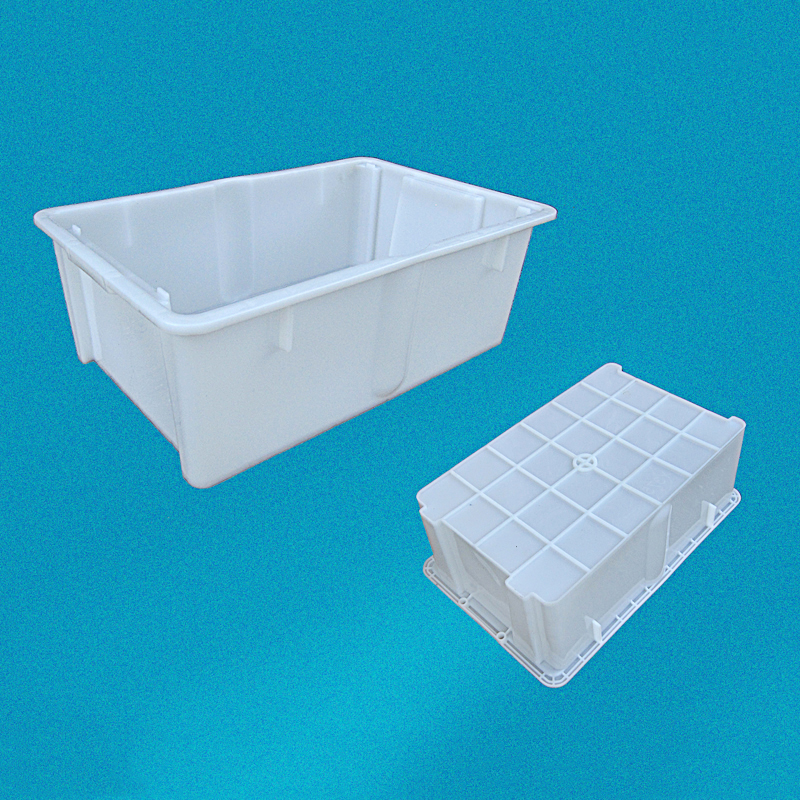
When it comes to keeping fresh produce in top condition from farm to table the right food box makes all the difference. Fresh fruits vegetables and other perishables need more than just a simple container they require a food box that protects against damage preserves freshness and meets industry standards. Whether you’re a farmer a retailer or a logistics provider choosing a suitable food box can reduce waste improve customer satisfaction and boost overall efficiency. But what exactly sets a good food box apart for fresh produce? Let’s dive into the key factors that make a food box ideal for storing and transporting these delicate items.
High Quality Material Selection
The material of the food box is the foundation of its suitability for fresh produce. The best options are made from food grade HDPE or PP materials which are safe non toxic and have excellent impact resistance. These materials can withstand the rigors of transportation from farm to warehouse to store without cracking or breaking protecting the produce inside from bruising or damage. HDPE and PP are also moisture resistant which is crucial for keeping produce dry and preventing mold growth. Unlike some low quality materials they don’t absorb moisture or release harmful substances that could taint the fresh produce. Additionally these materials are easy to clean which is essential for maintaining hygiene especially when the food box is reused multiple times. A food box made from high quality materials not only ensures the safety of the produce but also offers long term durability making it a cost effective choice for businesses.
Proper Ventilation Design
Fresh produce needs to breathe to stay fresh which is why ventilation is a key feature of a suitable food box. Without adequate air circulation fruits and vegetables can quickly become overripe or spoil due to trapped ethylene gas and moisture. A good food box will have carefully designed ventilation holes or slots that allow for proper air flow while still protecting the produce from external contaminants. The size and placement of these vents are important too they should be large enough to promote airflow but not so big that the produce is at risk of damage during handling. For example leafy greens benefit from more ventilation to prevent wilting while fruits like strawberries need just enough airflow to avoid moisture buildup without losing too much hydration. A food box with well thought out ventilation ensures that fresh produce retains its crispness juiciness and nutritional value for longer periods reducing waste and keeping customers happy.
Secure and Stable Structure
Fresh produce is often delicate and easily damaged so a food box must have a secure and stable structure. Look for food boxes with reinforced ribs and sturdy bottom clips that allow for safe stacking without collapsing. This not only maximizes storage and transportation space but also prevents the produce from being crushed under the weight of other boxes. The structure should also be designed to keep the produce in place during transit minimizing movement that can cause bruising. Some food boxes come with adjustable dividers which are perfect for separating different types of produce or preventing larger items from rolling around. A tight fitting lid is another important feature it keeps the produce secure protects against dust dirt and pests and helps maintain a consistent internal environment. A food box with a stable and secure structure ensures that fresh produce arrives at its destination in the same condition as when it was packed.
Customizable and Functional Features
Every type of fresh produce has unique needs and a suitable food box should offer customizable features to meet those requirements. Size flexibility is key a food box should be available in various dimensions to accommodate everything from small berries to large melons. Some manufacturers offer custom sized food boxes tailored to specific produce types ensuring a perfect fit that minimizes empty space and reduces movement. Color coding is another useful feature allowing businesses to categorize different types of produce or track inventory more efficiently. For example green food boxes could be used for leafy greens while red ones are for berries making sorting and storage a breeze. Many modern food boxes are also compatible with RFID chips or QR codes enabling real time tracking of the produce’s location temperature and humidity. This is especially valuable for cold chain logistics where maintaining a specific temperature is critical for freshness. Foldable designs are another plus as they save space when not in use reducing storage and transportation costs for businesses.