 EN
EN

Trash Can Size Guide for Commercial Facilities
Time : 2025-12-25
Trash Can Size Guide for Commercial Facilities
Choosing the right trash can size for your commercial facility is more important than you might think. It affects everything from daily operations to hygiene and cost efficiency. Whether you run a restaurant, office building, warehouse, or retail store, having a trash can that fits your needs keeps the space clean, reduces waste management hassle, and even helps with budget control. With so many options available, it’s easy to feel overwhelmed. But this guide will break down the key factors to consider and help you pick the perfect trash can size for your specific commercial space.
Assessing Your Waste Generation Volume
The first step in choosing the right trash can is figuring out how much waste your facility produces each day. Every commercial space is different— a busy restaurant will generate far more waste than a small office. Start by tracking your waste for a few days. Note how often you’re emptying current trash cans and if they’re overflowing or barely filling up. For high traffic areas like restaurant kitchens or retail store floors, you’ll need a larger trash can that can handle constant use without needing frequent emptying. For low waste areas such as meeting rooms or small offices, a compact trash can will do the job without taking up unnecessary space. Remember, a trash can that’s too small will lead to overflowing waste, which is unhygienic and unprofessional. On the other hand, a trash can that’s too large will waste space and might end up costing more in disposal fees. Matching the trash can size to your daily waste volume is the foundation of a smart waste management plan.
Considering Space Availability
Where you plan to place the trash can is another crucial factor. Commercial facilities often have limited space, so you need a trash can that fits comfortably without getting in the way. In tight areas like narrow hallways, kitchen corners, or retail stockrooms, a slim or compact trash can is ideal. It can tuck into small spaces while still holding enough waste for the area. For larger spaces like warehouse floors, cafeteria dining areas, or office lobbies, you can opt for bigger trash cans or even multi compartment models. These not only hold more waste but can also help with recycling by separating different types of trash. You should also think about accessibility— the trash can should be easy for employees or customers to reach without navigating around obstacles. If you’re placing the trash can outdoors, look for weather resistant models that come in sizes suitable for the number of people using the area. Balancing waste capacity with available space ensures your trash can is both functional and unobtrusive.
Matching Trash Can Size to Facility Type
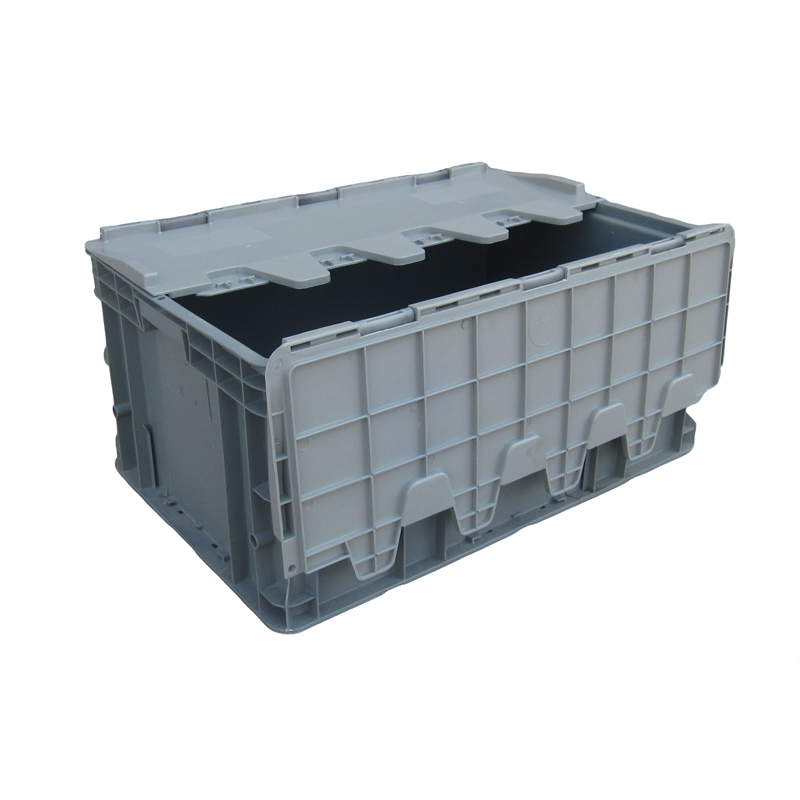
Different commercial facilities have unique waste needs, so the right trash can size varies by industry. Restaurants and catering businesses deal with large amounts of food waste and packaging, so they need large trash cans in kitchens— often 50 to 100 liters or more. Dining areas might use smaller 15 to 30 liter trash cans at each table or counter. Warehouses and manufacturing plants generate industrial waste, so heavy duty trash cans ranging from 100 to 240 liters are common. These can handle bulky items and large volumes of waste from daily operations. Offices typically have lower waste volumes, so 10 to 20 liter trash cans at individual desks and 30 to 50 liter models in break rooms or common areas work well. Retail stores might use a mix— smaller trash cans near checkout counters for receipts and packaging, and larger ones in stockrooms for cardboard and product waste. Medical facilities need specialized trash cans that meet hygiene standards, with sizes ranging from small tabletop models for exam rooms to larger bins for medical waste disposal. Knowing your facility’s specific needs will help you narrow down the perfect trash can size.
Factoring in Usage Frequency and Disposal Logistics
How often you can empty the trash and your disposal process also play a role in choosing the right trash can size. If you have a cleaning crew that empties trash multiple times a day, you might get away with smaller trash cans even in high waste areas. But if trash is only collected once a day or less, you’ll need larger trash cans to hold all the waste in between pickups. You should also consider how the trash is disposed of. If you’re using trash bags, make sure the trash can size matches the bag size— a too large trash can will require bigger bags that might not fit properly, while a too small one will lead to overfilled bags that tear easily. For facilities that use waste compactors or have specific recycling programs, the trash can size should align with these systems. For example, if you’re recycling cardboard, a large trash can dedicated to that material will make collection easier. Thinking about usage frequency and disposal logistics ensures your trash can size works with your existing processes, saving time and reducing headaches.