 EN
EN

Why Choose Plastic Containers for Food and Raw Materials?
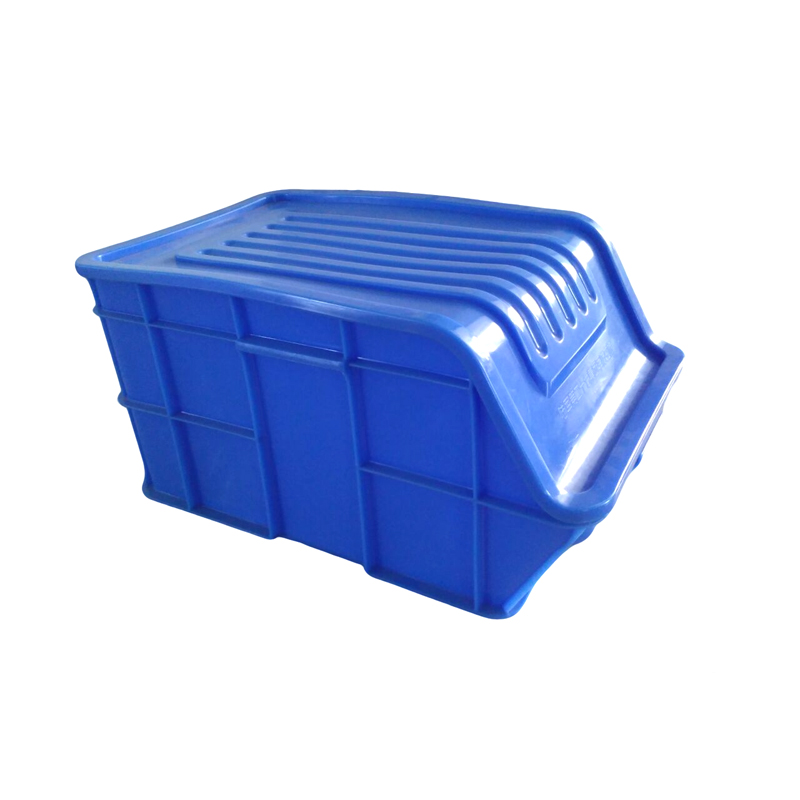
Lightweight, Stackable, and Shatter-Resistant Design Optimizes Transport and Handling
The lightweight yet tough nature of plastic containers makes them great for improving how goods move around warehouses and distribution centers. Compared to glass containers, these plastic ones weigh roughly 40 percent less on average. That means when loading up a delivery truck, businesses can fit about 25% more items in the same space, which cuts down on both fuel needed for transport and overall shipping expenses. Plus, most plastic containers come designed so they lock together when stacked, making better use of vertical space in storage areas. They also don't break easily like glass does during normal handling operations. No more worrying about cracked packages after rough handling or accidental drops. For companies dealing with fragile products, this alone saves money since there's far less waste from damaged goods. And according to industry data, all these advantages combined actually save around 18 cents per item handled in warehouses across the country.
Microwave-Safe, Freezer-Safe, and Leak-Proof Performance for Versatile Daily Use
Plastic containers are really versatile when it comes to daily usage. Take food grade polypropylene for instance, which can handle pretty much anything thrown at it temperature wise. It stays intact whether sitting in a freezer at minus 20 degrees Celsius or getting heated up in a microwave around 120 degrees. That means people can just grab something from the fridge and pop it straight into the microwave without worrying about melting or warping. The way these containers are made through injection molding creates those tight seals that keep liquids from leaking out, yet they're still easy enough to open when needed. Restaurants and catering businesses have noticed this benefit firsthand. They don't need as many different types of storage solutions anymore, which saves them money on materials. Some kitchen managers report savings of about 30 percent on their container purchases since switching to these durable plastic options.
Preservation Science: How Plastic Containers Extend Shelf Life and Maintain Quality
This preservation science centers on engineered material properties that combat food degradation vectors.—a critical advantage for perishables.
Airtight Seals and Barrier Properties Against Moisture, Oxygen, and Contaminants
The best plastic storage containers use special polymers that stop moisture and oxygen from getting in these are the main things that cause mold growth and food spoilage. The tight seals on these containers keep the right amount of humidity inside and protect whatever's stored from outside stuff like dirt particles and bugs crawling around. What makes this so important? Well, it helps keep foods tasting good, looking fresh, and retaining their nutrients. For things like grains, nuts, and fruits vegetables especially, controlling how much moisture gets into them really affects how long they last before going bad.
Empirical Shelf-Life Gains: HDPE and PP Plastic Containers Extend Freshness by 30–50%
HDPE (#2) and PP (#5) containers are certified for good reason they really do slow down spoilage. Fruits and veggies kept in these containers stay fresh about 40 percent longer compared to when left uncovered. For milk products, mold takes anywhere from 30 to maybe even 50 percent longer to show up. What does this mean practically? Less food going bad on the counter. People who switch to better quality plastic storage bins tend to throw away around a third less food each month according to what they report. Makes sense when you think about it those containers create real protection against air and moisture getting in.
Understanding Resin Identification Codes and FDA Compliance for Direct Food Contact
Resin identification codes, those little numbers inside triangle symbols on plastic containers, help determine which plastics are safe for storing food. High density polyethylene (number 2) and polypropylene (number 5) stand out because they meet FDA standards for direct food contact after thorough testing for substance migration. The tightly packed molecules in HDPE make it really good at keeping moisture out, while PP can handle the heat of microwaving without breaking down. These materials won't let chemicals seep into food, even when holding things like citrus juice, oil, or other liquids. They also don't contain dangerous compounds like BPA that some other plastics do, making them better choices compared to options like PVC (number 3) or polycarbonate (number 7). When shopping for containers, check both the RIC number and look for FDA approval markings to be sure whatever we're putting our food in stays safe over time.
Sustainability Comparison: Plastic Containers vs. Glass and Cardboard in Real-World Operations
When it comes to sustainability in operations, plastic containers actually have some pretty good advantages worth considering. They're much lighter than glass, so shipping them around uses about 40% less fuel, which cuts down on carbon emissions quite a bit. Cardboard just falls apart when exposed to moisture or humidity, but plastic stays strong even after being reused hundreds of times whether sitting in freezers or damp warehouse conditions. Glass can technically be recycled forever and cardboard does get recycled at decent rates too (around 90% in many developed countries). However, newer HDPE and PP plastic containers used for food now contain roughly 25 to 30% recycled material according to recent industry standards. Some research from McKinsey back in 2023 showed that switching from one-time cardboard boxes to reusable plastic alternatives could cut overall packaging waste by nearly three quarters within five years. At the end of the day, what works best really depends on specific needs. Plastic stands out for how tough it is and how efficient it makes transportation, whereas paper products still make sense for quick turnaround situations where items only need to be used once.