 EN
EN

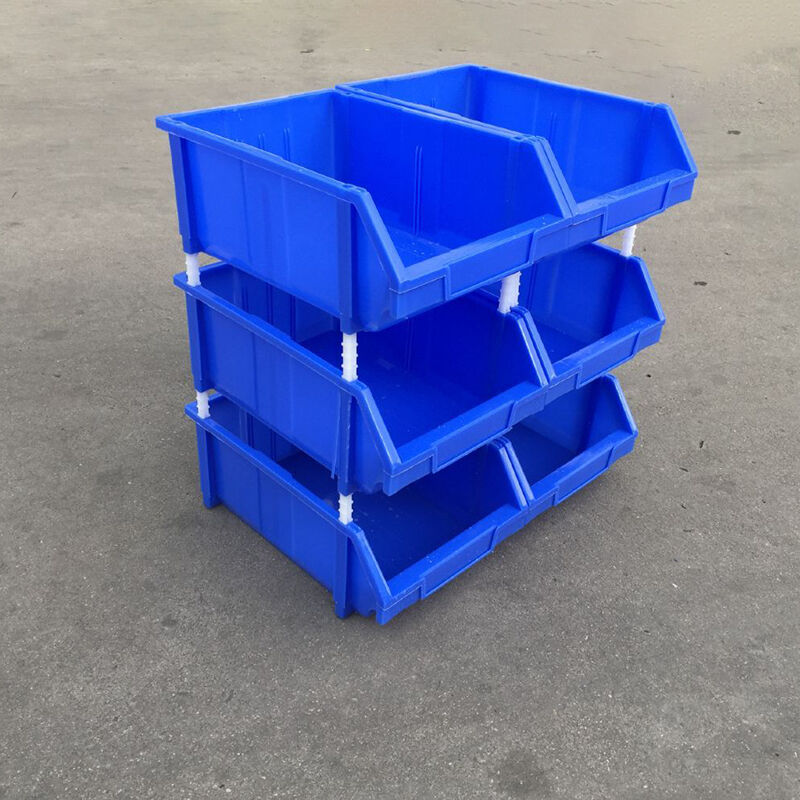
Parts Boxes Solve Core Workshop Chaos
Workshop disorganization costs businesses thousands in lost productivity annually. When technicians can't locate essential components quickly, workflow halts and revenue leaks through uncharged search time.
The Search-Time Crisis: How Unorganized Small Parts Drain Productivity
Technicians waste 10–15% of their shift hunting for misplaced fasteners, fittings, and electrical connectors (Ponemon Institute 2023). This $740k/year productivity drain stems from two issues: scattered small parts and inconsistent labeling. Without dedicated containment systems, critical components end up mixed in drawers or buried under bulkier items—forcing sequential searches across multiple storage zones.
Modular Containment as Visual Management: From Clutter to Instant Recognition
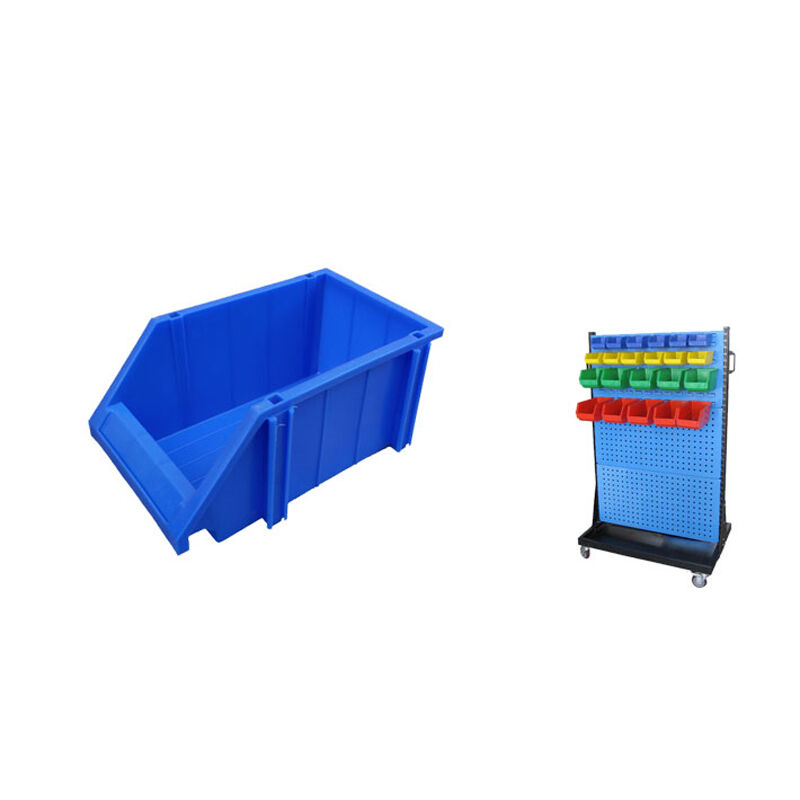
Color-coded parts boxes transform chaotic benches into navigation-friendly systems. The best designs feature stackable modular units sized for specific components (e.g., M4 bolts), label rails compatible with thermal printers, and transparent or open-front walls for visual verification. Case studies show shops implementing these see 50% faster part retrieval by enabling instant visual recognition—no handling required.
How Parts Box Design Drives Efficiency and Safety
Standardized, Stackable, and Label-Ready: Key Features of High-Performance Parts Boxes
Engineered storage systems eliminate workshop inefficiencies through purpose-driven design. Standardized dimensions allow seamless integration with existing shelving and workbenches, while stackable construction reduces floor space requirements by 40% compared to traditional bins—critical for crowded workshops. Label-ready surfaces support visual inventory systems, enabling technicians to identify components in under 3 seconds (industrial workflow studies). Consistent sizing also enables modular expansion, letting shops scale storage incrementally as inventory grows.
Preventing Errors and Injury Through Consistent Visibility and Access
Thoughtful containment solutions directly combat workplace hazards. Transparent sidewalls provide instant part verification without handling, reducing accidental drops by 31% (OSHA incident reports). Ergonomic access points minimize awkward reaching into deep containers—a primary cause of repetitive strain injuries. Secure latching mechanisms prevent spillage during transport, while color-coded dividers create intuitive separation that cuts misplacement errors by 57%. These features collectively transform chaotic workspaces into predictable, accident-resistant environments.
Parts Boxes Enable Smart Inventory Control
Applying the 80/20 Rule: Tiered Parts Box Systems for High-Use Components
Implementing tiered parts box systems aligns perfectly with the Pareto principle (80/20 rule), where 20% of components typically drive 80% of workshop usage. Strategic categorization separates high-frequency bolts, filters, or electrical connectors into frontline open-top bins for instant access, while reserving deeper lidded containers for seasonal or specialty parts. This hierarchy reduces wasted movement and overstocking—NIST data shows properly tiered organizations lower excess inventory costs by 18%. By visually prioritizing active SKUs in designated zones, technicians spend less time digging through unrelated components. Manufacturers report 30% faster restocking cycles when color-coded dividers and standardized footprints enable intuitive nesting of low-use items behind high-demand inventory.
Real-World Impact: Measurable Gains from Adopting Parts Boxes
Case Study: Automotive Repair Shop Cuts Part Search Time by 68% with Color-Coded Parts Boxes
An automotive workshop implemented color-coded parts boxes for small components like bolts and gaskets. Within three months, technicians reduced average part search time from 9.2 minutes to under 3 minutes—a 68% productivity gain. The visual system allowed instant identification of fastener grades and sizes, eliminating root-caused errors in engine reassembly that previously cost $5,400 monthly in rework.
Frequently Asked Questions (FAQ)
What are the main benefits of using parts boxes in workshops?
Parts boxes improve efficiency, safety, and organization. They allow technicians to locate components faster, reduce workplace injuries, and prevent errors through visual management and consistent labeling systems.
How does modular containment help reduce productivity loss?
Modular containment systems keep parts organized and accessible, reducing search times. Features like stackable designs, color-coded dividers, and transparent walls enable technicians to find and verify components instantly.
Can parts boxes help with inventory control?
Yes! Tiered systems prioritize high-use components for quick access while storing specialty or seasonal parts separately. This strategy reduces overstocking costs and speeds up cycle times for restocking.